
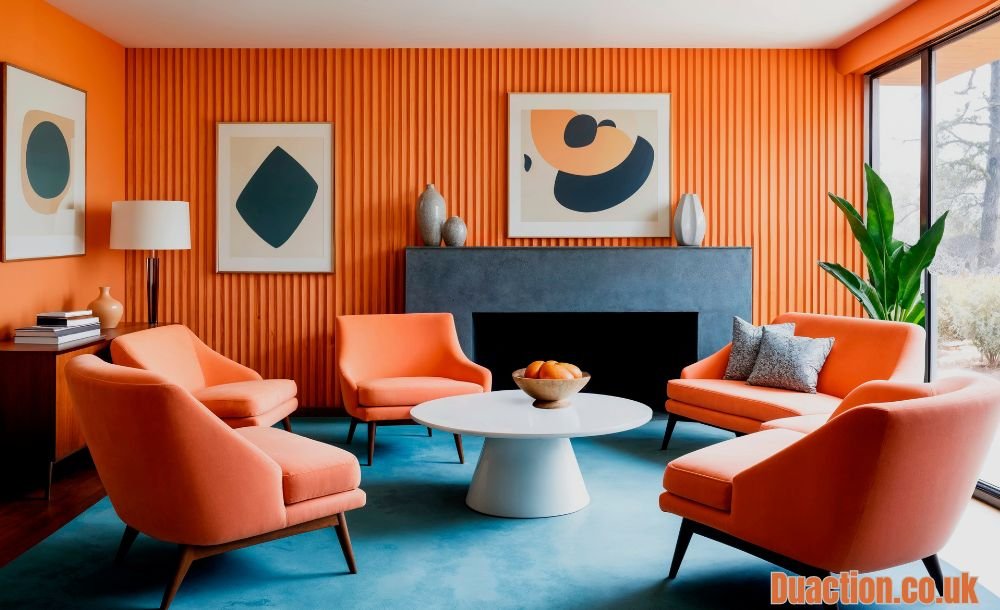
7 types of interior design is more than arranging furniture or picking pretty colors. It shapes how you feel when you walk into a room. Think about it, have you ever entered a space and instantly felt calm, energized, or inspired? That’s not an accident. The way textures, lighting, layout, and colors interact can completely transform your mood and mindset. When we talk about the 7 types of interior design, we’re really talking about seven different emotional experiences you can create in your home.
Why Choosing the Right Style Matters
Choosing from the 7 types of interior design isn’t about chasing trends; it’s about matching your space with your lifestyle. A structured professional may feel at ease in a minimalist setting, while a creative person might flourish in a vibrant bohemian home. Just like wearing clothes that reflect who you are, your interior style should feel natural and comfortable. When your home aligns with your personality, everyday life feels more balanced and enjoyable.
Modern Interior Design
Modern 7 Types of Interior Design is often misunderstood. It isn’t just about new furniture or trendy décor. Modern design actually draws inspiration from the early to mid-20th century and emphasizes simplicity, functionality, and clean lines. This style focuses on open spaces, neutral color palettes, and minimal ornamentation. Every piece has a purpose, and clutter is carefully avoided.The beauty of modern design lies in its balance. Imagine a room where natural light flows freely,minate the space, creating a refined look that feels timeless rather than trendy.
Key Features of Modern Design
Modern interior design focuses on simplicity, clean lines, and functional beauty.
- Neutral color palettes such as white, beige, gray, and black.
- Sleek furniture with straight, clean lines and minimal detailing.
- Open floor plans that enhance space and natural light.
- Use of materials like glass, metal, and polished wood.
- Minimal décor with a strong emphasis on functionality.
Who Should Choose Modern Style?
If you love order, clarity, and simplicity, modern design might be your perfect match. It suits individuals who appreciate structure and dislike unnecessary clutter. It works beautifully in urban apartments and contemporary homes where clean lines complement architectural features.
Contemporary Interior Design
Contemporary design is often confused with modern design, but there’s a key difference. While modern refers to a specific historical period, contemporary design reflects what is current and evolving right now. It’s fluid, adaptable, and constantly changing with trends.Contemporary spaces often combine various elements from different styles. You might see curved furniture paired with neutral tones and bold artwork. The focus remains on simplicity, but there’s more room for experimentation compared to strict modern design. It’s like fashion that updates every season fresh, exciting, and dynamic.
How Contemporary Differs from Modern
Contemporary design embraces flexibility. Unlike modern interiors that stick to defined characteristics, contemporary spaces adapt to emerging ideas. You’ll find softer lines, mixed textures, and innovative materials. This style appeals to those who enjoy keeping their spaces updated without committing to one rigid aesthetic.
Minimalist Interior Design
Minimalist 7 Types of Interior Design is rooted in the philosophy of “less is more.” It strips a space down to its essential elements, eliminating distractions and unnecessary details. The result? A calm, peaceful environment that feels open and breathable.Picture a room with white walls, simple furniture, and only a few carefully chosen decorative pieces. There’s no visual noise. Every object has intention. Minimalism encourages mindfulness, helping you focus on what truly matters instead of being overwhelmed by excess.
Benefits of Living Minimally
Living in a minimalist space can reduce stress and improve concentration. With fewer distractions, your mind feels clearer. It’s like decluttering your thoughts along with your physical environment. Minimalism works especially well for people who crave mental clarity and a sense of calm in their daily routines.
Traditional Interior Design
Traditional 7 Types of Interior Design is timeless and elegant. Inspired by classic European décor, it features rich colors, ornate details, and symmetrical arrangements. Think carved wood furniture, patterned fabrics, and luxurious textures.Walking into a traditional space feels like stepping into a storybook. There’s warmth, sophistication, and a sense of history. Unlike minimalist spaces, traditional rooms embrace detail and layering. Drapes, rugs, and decorative accessories work together to create depth and richness.
Elements That Define Traditional Spaces
You’ll often see dark wood finishes, crown molding, antique-style furniture, and intricate patterns. Symmetry is important, creating a sense of balance and harmony. This style suits those who appreciate heritage and classic beauty.
Industrial Interior Design
Industrial 7 Types of Interior Design draws inspiration from warehouses and factories. Exposed brick walls, metal beams, and raw finishes define this bold style. It celebrates imperfections rather than hiding them.An industrial space feels edgy and authentic. Instead of polished surfaces, you’ll see concrete floors and unfinished textures. The charm lies in its honesty. It’s like turning a factory into a cozy home without losing its character.
Creating Warmth in Industrial Spaces
While industrial design can appear cold, warmth can be added through soft textiles, warm lighting, and wooden accents. The contrast between raw materials and cozy elements creates a striking balance that feels both modern and inviting.
Scandinavian Interior Design
Scandinavian 7 Types of Interior Design combines simplicity with comfort. Originating from Nordic countries, it focuses on functionality, natural light, and cozy elements. Light wood tones, soft textiles, and neutral colors dominate the palette.What makes Scandinavian style special is its warmth. Despite its simplicity, it never feels cold. It’s like wrapping your home in a soft blanket. The design emphasizes well-being and comfort, making everyday living feel effortless and relaxed.
Why Scandinavian Style Feels So Cozy
The concept of “hygge” influences Scandinavian interiors. This idea centers around comfort and contentment. Soft throws, candles, and warm lighting create a welcoming atmosphere that encourages relaxation and connection.
Bohemian Interior Design
Bohemian design is free-spirited and artistic. It celebrates individuality through bold colors, layered textiles, and global influences. There are no strict rules here, only creativity.A bohemian space feels vibrant and lived-in. Patterns mix freely, plants thrive in every corner, and artwork tells personal stories. It’s a style that embraces imperfection and self-expression.
Mixing Patterns and Textures Fearlessly
Bohemian 7 Types of Interior Design thrive on contrast. Think patterned rugs layered over wooden floors, colorful cushions on neutral sofas, and eclectic décor collected from travels. The key is confidence, trusting your instincts to create harmony within diversity.
How to Choose Among These 7 Types of Interior Design
Choosing between the 7 types of interior design can feel overwhelming, but it doesn’t have to be. Start by observing your lifestyle. Do you prefer quiet evenings or lively gatherings? Are you drawn to clean lines or rich textures? Your answers reveal your natural preferences.Look at your wardrobe as a clue. If you love neutral outfits, you might gravitate toward minimalist or Scandinavian styles. If you enjoy bold prints, bohemian design could be your match. Your home should reflect the same authenticity as your personal style.
Mixing Styles Without Creating Chaos
You don’t have to stick strictly to one category. Many beautiful homes blend elements from multiple styles. The trick is balance. Choose one dominant style and use others as accents. For example, a modern base with bohemian accessories can create an exciting yet cohesive look.Consistency in the color palette helps maintain harmony. When different styles share similar tones, they blend naturally. Think of it as composing music different instruments can play together beautifully when they follow the same rhythm.
Final Thoughts
Exploring the 7 types of interior design opens a world of possibilities. Each style offers a unique way to experience your home. Whether you prefer modern simplicity, traditional elegance, or bohemian creativity, the right design can elevate your daily life.Your home isn’t just a structure; it’s your personal sanctuary. When thoughtfully designed, it becomes a place where comfort meets identity. By understanding these styles deeply, you can confidently create a space that feels authentic, functional, and inspiring.
FAQs About 7 Types of Interior Design
1. Can I combine more than one interior design style?
Yes, blending styles is common and can create a unique look. The key is maintaining balance through consistent colors and proportions.
2. Which interior design style is best for small spaces?
Minimalist and Scandinavian styles work exceptionally well in small spaces because they emphasize light, openness, and functionality.
3. Is modern design the same as contemporary design?
No, modern refers to a specific historical design movement, while contemporary reflects current trends and evolving styles.
4. How do I know which style fits my personality?
Consider your daily habits, color preferences, and emotional reactions to different spaces. Your instincts often guide you toward the right choice.
5. Are the 7 types of interior design suitable for all budgets?
Absolutely. Each style can be adapted to fit different budgets by selecting materials and décor items wisely.