
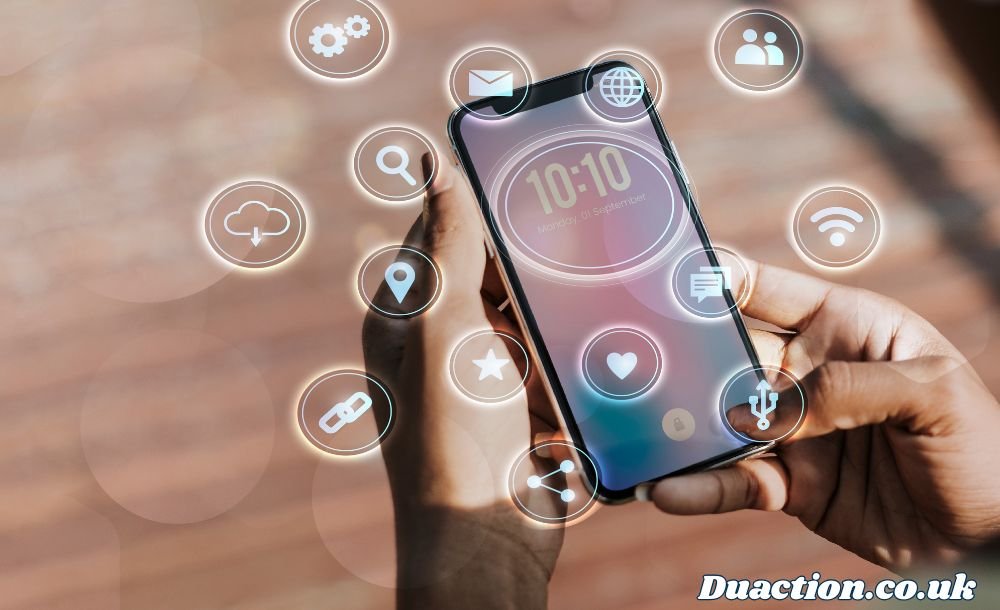
The post-smartphones vision reflects a major shift in how we interact with technology, moving beyond traditional handheld devices toward more seamless and intuitive experiences. Instead of relying on screens, future innovations focus on wearables, smart environments, and AI-driven systems that respond naturally to human behavior. This transformation is being driven by tech giants aiming to create a more connected and effortless digital lifestyle. As a result, technology is gradually becoming less visible but more deeply integrated into our everyday lives.
Why Smartphones Are Reaching Their Limits
For over a decade, smartphones have been at the center of our digital lives, shaping how we communicate, work, and entertain ourselves. But if you look closely, innovation in smartphones has started to fee repetitive. Each new model offers slightly better cameras, faster processors, and marginal design tweaks, yet nothing truly groundbreaking. This stagnation is one of the biggest reasons why tech giants envision a future beyond smartphones, pushing the boundaries of what comes next.
The Shift Toward Ambient Computing
Imagine a world where technology fades into the background, quietly assisting you without demanding attention. That’s the essence of ambient computing, a concept gaining serious traction among tech leaders. Instead of pulling out a phone, you simply speak, glance, or gesture, and your digital assistant responds instantly.
Key Technologies Driving the Change
The future beyond smartphones is driven by technologies that make devices smarter, more intuitive, and integrated into daily life.
Key Technologies Driving the Change:
- Artificial Intelligence:Smart systems that anticipate user needs.
- Augmented Reality & Smart Glasses:Hands-free access to digital info.
- Wearables:Connected devices like smartwatches and earbuds.
- Spatial Computing:Interactive 3D digital environments.
- Ambient Computing:Seamless, device-free interactions in smart environments.
Artificial Intelligence Everywhere
Artificial intelligence is the backbone of this transformation. It’s no longer confined to apps or cloud services, it’s becoming embedded in everything around us. From wearables to home devices, AI is turning passive tools into active assistants.This level of intelligence changes everything. It reduces the need for manual interaction, making technology more efficient and less intrusive. It also opens the door to entirely new experiences, where devices feel less like tools and more like collaborators.
Context-Aware AI Systems
Context-aware AI is what truly sets the post-smartphone era apart. These systems analyze data in real time, combining inputs from sensors, location, and user behavior to make intelligent decisions.Imagine walking into a meeting, and your wearable device automatically switches to silent mode, displays your schedule, and provides relevant notes—all without you lifting a finger. That’s the power of contextual computing.
Augmented Reality and Smart Glasses
Smart glasses are quickly emerging as one of the strongest contenders to replace smartphones. These devices overlay digital information onto the real world, allowing users to access data without looking at a screen.Recent reports show that global smart glasses shipments reached 8.7 million units in 2025 and are expected to hit 15 million in 2026, highlighting rapid growth in this sector. This surge reflects increasing consumer interest and major investments from tech giants.
Wearable Devices and Smart Ecosystems
Wearables are no longer limited to fitness trackers. Today, they include smartwatches, rings, earbuds, and even medical-grade devices capable of monitoring health in real time.These devices work together to create a connected ecosystem, where information flows seamlessly between different platforms. Instead of relying on a single device, users interact with multiple tools that complement each other.
The Role of Big Tech Companies
Big tech companies play a central role in shaping the future beyond smartphones by investing heavily in emerging technologies like artificial intelligence, augmented reality, and wearable devices. They are not only developing innovative hardware but also building powerful ecosystems that connect multiple devices seamlessly. Through continuous research and strategic partnerships, these companies are accelerating the shift toward more intuitive, hands-free digital experiences. Their influence ensures that the transition to next-generation computing happens faster and reaches a global audience.
Apple, Google, and Meta Strategies
Tech giants are not just observing this shift, they’re actively driving it. Companies like Apple, Google, Meta, and Samsung are investing heavily in research and development to lead the post-smartphone era.Each company has its own strategy. Some focus on hardware innovation, like AR glasses and wearable devices. Others prioritize software, developing advanced AI systems that can operate across multiple platforms.
Investment Trends and Market Growth
The scale of investment in this space is staggering. Billions of dollars are being poured into developing technologies that could redefine the digital landscape.
Here’s a quick comparison of key focus areas:
| Technology | Investment Focus | Expected Impact |
| AI Systems | High | Core driver of automation |
| AR Glasses | Very High | Potential smartphone replacement |
| Wearables | Growing | Everyday convenience |
| Spatial Computing | High | Immersive experiences |
This level of investment signals one thing clearly: the future beyond smartphones is not just a possibility it’s already in motion.
Smart Glasses as Smartphone Replacements
Smart glasses are emerging as a powerful alternative to traditional smartphones, offering a hands-free and more immersive way to interact with digital content. Instead of constantly checking a screen, users can access notifications, navigation, and information directly within their field of vision. These devices combine augmented reality and AI to create seamless, real-time experiences that feel natural and intuitive. As technology continues to evolve, smart glasses have the potential to gradually replace smartphones as our primary digital companion.
Features and Capabilities
Smart glasses bring a completely new way of interacting with technology. Instead of staring at a screen, users can access information directly in their field of vision.
Key features include:
- Real-time notifications
- Voice-controlled AI assistants
- Navigation overlays
- Instant translation
These capabilities make smart glasses incredibly powerful, especially for tasks that require multitasking or hands-free operation.
Adoption and Market Forecast
The adoption of smart glasses is expected to accelerate rapidly over the next few years. Analysts predict significant revenue growth, with some estimates suggesting billions in potential earnings by 2030.However, widespread adoption will depend on overcoming challenges such as battery life, design, and privacy concerns.
Spatial Computing and Mixed Reality
Spatial computing and mixed reality are transforming how we interact with the digital world by blending virtual elements seamlessly into our physical environment. Instead of using flat screens, users can engage with 3D digital objects that feel present and interactive in real space. This technology creates more natural, immersive experiences for work, learning, and entertainment. As it continues to evolve, it is expected to redefine everyday computing beyond traditional devices.
How Spatial Computing Works
Spatial computing combines augmented reality, virtual reality, and artificial intelligence to create immersive digital environments. Instead of interacting with flat screens, users engage with 3D spaces that blend seamlessly with the real world.This technology allows users to manipulate digital objects as if they were physical, creating a more natural and intuitive experience.
Real-World Applications
From virtual workspaces to remote collaboration, spatial computing has the potential to transform industries.Imagine attending a meeting where participants appear as holograms in your living room. Or working on a project where digital tools float around you in 3D space. These scenarios are quickly becoming reality.
The Rise of Ambient Computing
The rise of ambient computing is transforming how we interact with technology by making it feel almost invisible yet highly responsive. Instead of relying on screens and devices, systems now work quietly in the background, understanding our needs through voice, gestures, and context. This shift allows technology to blend seamlessly into everyday life, offering assistance without constant manual input. As a result, users experience a more natural, intuitive, and effortless digital environment.
Device-Free Interactions
One of the most exciting aspects of this shift is the move toward device-free interactions. Instead of relying on physical devices, users interact with technology through voice, gestures, and even thoughts in the future.
Benefits of Moving Beyond Smartphones
Moving beyond smartphones opens the door to a more seamless and intelligent digital experience, where technology works quietly in the background to support daily life.
Benefits of Moving Beyond Smartphones:
- Hands-free convenience for everyday tasks
- Faster and more natural interactions through voice and gestures
- Improved productivity with AI-powered automation
- Enhanced user experience with personalized, context-aware systems
- Reduced screen time, promoting better focus and well-being
Convenience and Hands-Free Usage
The biggest advantage of this transition is convenience. Hands-free devices allow users to multitask more effectively, improving productivity and efficiency.
Enhanced Productivity and Efficiency
With AI handling routine tasks, users can focus on more important activities. This shift could lead to significant improvements in both personal and professional productivity.
Challenges and Concerns
The transition beyond smartphones brings exciting innovation, but it also introduces serious challenges that cannot be ignored. Privacy concerns are at the forefront, as always-on devices continuously collect sensitive personal data. Security risks may increase as more connected systems create additional entry points for cyber threats. At the same time, technical limitations like battery life, device reliability, and high costs could slow down widespread adoption.
Timeline for the Post-Smartphone Era
The timeline for the post-smartphone era is expected to unfold gradually over the next decade, rather than happening overnight. Between 2025 and 2030, early adoption of smart wearables, AI assistants, and augmented reality devices will begin to reshape how people interact with technology. Moving into 2030 to 2040, these innovations are likely to become mainstream, reducing reliance on traditional smartphones. During this transition, smartphones will still exist but will slowly take on a secondary role as more immersive, hands-free technologies become the primary interface.
Final Thoughts
The idea that tech giants envision a future beyond smartphones is no longer a distant dream, it’s a rapidly unfolding reality. From AI-driven assistants to smart glasses and spatial computing, the next era of technology promises to be more intuitive, immersive, and integrated into our daily lives. Smartphones won’t disappear overnight, but their dominance is slowly fading as new innovations take center stage. The real question isn’t whether this shift will happen, it’s how quickly we’ll adapt to a world where technology surrounds us instead of sitting in our pockets.
FAQs About Tech Giants Envision Future Beyond Smartphones
1. Will smartphones completely disappear in the future?
No, smartphones will likely remain as supporting devices, but their importance will decrease over time.
2. What technology is most likely to replace smartphones?
Smart glasses and AI-powered wearables are considered the strongest candidates.
3. When will the post-smartphone era begin?
Early stages are already underway, with mainstream adoption expected between 2030 and 2040.
4. Are smart glasses safe to use?
They are generally safe, but privacy concerns and data usage remain important issues.
5. How will AI shape the future beyond smartphones?
AI will enable context-aware, personalized experiences, reducing the need for manual interaction with devices.