
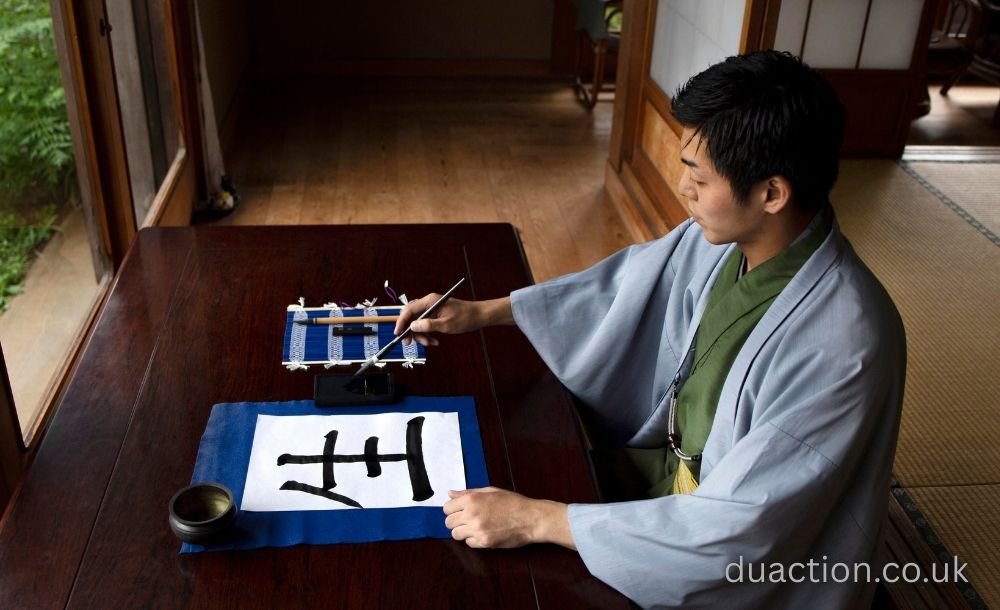
If you’ve ever studied Japanese or tried to follow a real conversation in Japan, you’ve probably come across the word jyokyo (状況). At first, it seems simple. Most dictionaries translate it as situation, condition, or circumstances. But once you begin hearing it used in daily conversations, meetings, or even news reports, it becomes clear that jyokyo is far more than a basic vocabulary word. It represents a deeply rooted way of observing, understanding, and responding to the world.
What Does Jyokyo (状況) Really Mean?
At its core, jyokyo refers to the overall state of affairs at a given moment. This includes visible facts, emotional undercurrents, social relationships, and environmental conditions. Unlike a narrow definition of “situation,” jyokyo captures the full picture.For example, if someone says, “We need to look at the jyokyo,” they are not just talking about what is happening. They are talking about why it is happening, how people feel about it, and what kind of response would be appropriate. Jyokyo is about context layered with awareness.This is why jyokyo is used in many settings, from casual conversations to formal business discussions. It allows speakers to refer to complex circumstances without spelling everything out.
The Role of Jyokyo in Japanese Communication
One of the most challenging parts of learning Japanese is understanding what is not said. Japanese communication relies heavily on shared understanding, and jyokyo plays a key role in this.Instead of directly expressing opinions or emotions, speakers often expect listeners to understand the jyokyo of the situation. Tones of voice, pauses, facial expressions, and even silence carry meaning. If you miss the jyokyo, you may misunderstand the entire message.This approach helps maintain harmony and avoid confrontation. Rather than openly disagreeing, someone may hint at their feelings through subtle language, trusting that the listener will grasp the situation.
Why Jyokyo Is Essential for Japanese Language Learners
Many learners focus heavily on grammar rules and vocabulary lists, but without understanding jyokyo, conversations can still feel confusing. A sentence that is technically correct may sound awkward or inappropriate if it does not fit the situation.For example, levels of politeness in Japanese are closely tied to jyokyo. The way you speak to a friend, a teacher, or a manager changes depending on the circumstances. Knowing which form to use requires reading the situation carefully.Understanding jyokyo helps learners move beyond textbook Japanese and toward natural, real-world communication. It bridges the gap between knowing the language and actually using it well.
Jyokyo and Social Harmony in Japanese Culture
Japanese society places great value on harmony, often referred to as wa. Jyokyo supports this value by encouraging people to act in ways that suit the moment rather than their personal impulses.Before speaking or acting, people often consider how their behavior will affect others in that situation. This doesn’t mean suppressing emotions; it means expressing them in ways that fit the jyokyo.This sensitivity helps maintain smooth relationships in families, workplaces, and communities. It also explains why social rules in Japan may feel unwritten yet strongly observed.
Jyokyo in the Workplace
In professional settings, jyokyo is especially important. Decisions are rarely made based on facts alone. Leaders and employees alike are expected to read the room, understand team dynamics, and consider timing.For example, raising a concern during a meeting may depend on the mood of the group, the seniority of those present, and the urgency of the issue. Even a good idea can fall flat if introduced without considering the jyokyo.
Jyokyo and Emotional Intelligence
Jyokyo enhances emotional intelligence by helping individuals understand the full context of situations, including unspoken feelings and social cues.
- Jyokyo helps you notice subtle signals like tone, expressions.
- By understanding the situation fully, jyokyo encourages responding
- Reading the context of a situation helps you see things from others’ perspectives
- Jyokyo guides how to adjust words, tone, and actions to fit the emotional
- Understanding emotions and context decreases misunderstandings and promotes harmonious relationships.
Everyday Examples of Jyokyo in Action
Jyokyo appears in countless everyday moments. A pause before answering a question, a polite smile during an awkward exchange, or a change in tone when speaking to different people all reflect awareness of the situation.Even something as simple as choosing when to speak and when to remain silent involves reading jyokyo. Silence is not emptiness in Japanese culture; it is often a thoughtful response shaped by context.
Jyokyo in Modern Japanese Society
In today’s fast-paced world, jyokyo remains highly relevant. Social media, instant messaging, and global communication have increased the risk of misunderstandings. Jyokyo acts as a reminder to slow down and consider context before reacting.Whether responding to an email, posting online, or participating in a group discussion, understanding jyokyo helps people communicate more thoughtfully and responsibly.
Jyokyo Compared to Western Communication Styles
In many Western cultures, clarity and directness are highly valued. People are encouraged to express opinions openly and assertively. While this approach has its strengths, it can clash with Japanese communication norms.Jyokyo highlights a different philosophy, one that values subtlety, timing, and shared understanding. Neither approach is better; they simply reflect different cultural priorities. Learning about jyokyo helps bridge these differences and fosters cross-cultural understanding.
How Jyokyo Influences Decision-Making
Rather than rushing into decisions, jyokyo encourages careful assessment. People consider past events, present conditions, and future implications before acting.This approach reduces impulsive behavior and supports long-term thinking. In both personal and professional life, understanding jyokyo can lead to more balanced and effective decisions.
Misconceptions About Jyokyo
Some people assume jyokyo means avoiding action or being overly cautious. In reality, jyokyo supports appropriate action. It’s not about doing nothing; it’s about doing the right thing at the right time.Another misconception is that jyokyo leads to overthinking. In fact, jyokyo simplifies complexity by focusing on what truly matters in a given moment.
Learning to Develop Jyokyo Awareness
Jyokyo is not something you memorize; it’s something you practice. Paying attention to people’s reactions, reflecting on experiences, and observing patterns all help build this skill.For language learners, exposure to real conversations and cultural contexts is key. For everyone else, practicing patience and empathy goes a long way.
The Future Value of Jyokyo
As communication becomes faster and more global, jyokyo may become even more valuable. The ability to read situations, understand nuance, and respond thoughtfully is a skill that transcends language and culture.Jyokyo offers a quiet but powerful approach to navigating complexity with grace.
Conclusion
Jyokyo (状況) is more than a Japanese word it’s a way of seeing the world. It teaches us to look beyond surface details and understand the deeper context of every moment. From language learning to professional life, from relationships to self-awareness, jyokyo shapes thoughtful communication and meaningful interaction.By embracing jyokyo, we learn to listen better, respond wiser, and connect more deeply with others. In a noisy world, jyokyo offers clarity, balance, and understanding.
FAQs About Jyokyo
- What does jyokyo (状況) mean in Japanese?
Jyokyo means situation or circumstances, including context, emotions, and surrounding conditions. - Why is jyokyo important in Japanese communication?
It helps people understand unspoken meaning and respond appropriately without direct confrontation. - Is jyokyo difficult for language learners to understand?
At first, yes, but exposure to real conversations and culture makes it easier over time. - Does jyokyo apply outside of Japan?
Yes, situational awareness is useful in any culture, especially in communication and decision-making. - How can I improve my understanding of jyokyo?
Practice observing context, listening carefully, and reflecting before responding.