
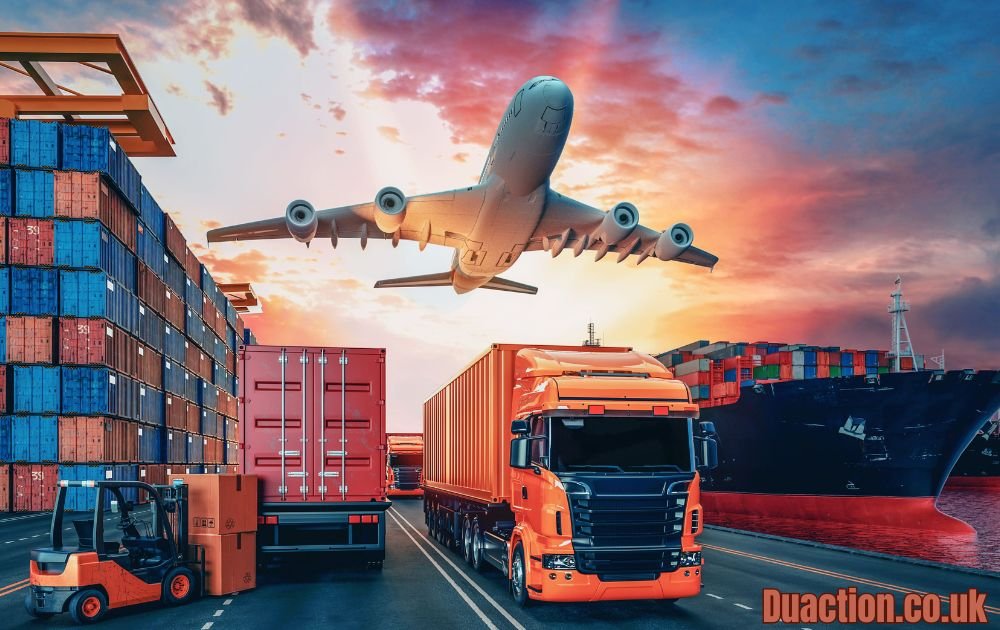
When you hear the term shipping and logistics service, what comes to mind? Maybe trucks on highways or cargo ships crossing oceans. But it’s much more than that. It’s the invisible system that keeps businesses running smoothly. From picking up raw materials to delivering finished products at your doorstep, this service acts like the nervous system of global trade.
What Does Shipping and Logistics Service Really Mean?
Shipping and logistics service refers to the complete process of planning, managing, and moving goods from one place to another efficiently. It includes transportation, warehousing, inventory control, and timely delivery to customers. In simple terms, it ensures that products reach the right destination safely and on time. Without it, businesses would struggle to connect with their customers and suppliers.
Why It Matters More Than Ever Today
In today’s fast-moving digital age, customers expect quick deliveries and real-time updates. We live in a world where “Where is my order?” is asked within hours, not days. A reliable shipping and logistics service ensures that businesses meet these expectations without stress or delays.With the rise of e-commerce, global trade, and cross-border businesses, logistics has shifted from being a backend operation to a competitive advantage.
The Core Components of Shipping and Logistics Service
The core components of shipping and logistics service include transportation, warehousing, inventory management, and order fulfillment. Transportation ensures goods move efficiently by road, air, sea, or rail, while warehousing provides safe storage before distribution. Inventory management keeps stock levels balanced to avoid shortages or excess. Together, these elements create a smooth system that delivers products accurately and on time.
Transportation Management
Transportation is the backbone of any shipping and logistics service. It includes trucks, ships, trains, and airplanes moving goods from one location to another. Efficient route planning, fuel management, and timely dispatch all play vital roles.Imagine trying to solve a puzzle where every piece is constantly moving. That’s transportation management. It requires precision, timing, and adaptability.
Warehousing and Storage
Goods need safe storage before reaching their final destination. Modern warehouses are not just storage spaces, they are smart hubs equipped with tracking systems and automated processes.Warehousing ensures that products remain secure, organized, and ready for dispatch at a moment’s notice.
Inventory Control
Order Fulfillment
Order fulfillment is the process of receiving, processing, and delivering customer orders efficiently. It includes picking the right products from inventory, packing them securely, and arranging timely shipping. A smooth order fulfillment system ensures that customers receive their products accurately and on schedule, building trust and loyalty. Efficient fulfillment can turn a simple purchase into a positive, memorable shopping experience.
Types of Shipping and Logistics Service
- Domestic Shipping SolutionsDomestic services handle deliveries within a country. These services are usually faster and more straightforward but still require careful coordination and route optimization.
- International Freight ServicesInternational shipping and logistics service deals with customs clearance, global regulations, and cross-border documentation. It’s like navigating a maze with different rules in every section.
- Express and Same-Day DeliverySpeed is the new currency. Express services cater to urgent needs, ensuring packages reach customers within hours or a day. Businesses relying on quick service greatly benefit from this option.
- Freight Forwarding ServicesFreight forwarders act as intermediaries between shippers and transportation services. They manage documentation, coordinate carriers, and handle complex international shipments seamlessly.
The Role of Technology in Shipping and Logistics Service
Technology plays a transformative role in shipping and logistics service by improving speed, accuracy, and transparency across the supply chain. With tools like real-time tracking, automated warehouses, and AI-powered route optimization, businesses can manage deliveries more efficiently than ever before.
Real-Time Tracking Systems
Real-time tracking systems allow businesses and customers to monitor shipments at every stage of delivery. These systems provide live updates on location, estimated arrival times, and any delays, bringing transparency to the entire process. By keeping everyone informed, they reduce uncertainty and build trust between the company and its customers. In today’s fast-paced world, real-time tracking has become a standard expectation for reliable shipping and logistics services.
Data Analytics for Smarter Decisions
Data analytics is like having a roadmap for your logistics operations. By examining patterns in shipments, delivery times, and customer behavior, businesses can make informed decisions that reduce delays and cut costs. It helps identify inefficiencies, forecast demand, and optimize routes, ensuring every part of the supply chain works smarter, not harder. With insights from data, companies can turn challenges into opportunities and stay ahead in a competitive market.
Benefits of a Reliable Shipping and Logistics Service
- Improved Customer SatisfactionFast and accurate deliveries create happy customers. And happy customers return. It’s that simple.
- Cost EfficiencyOptimized routes, efficient warehousing, and smart inventory control reduce operational costs significantly.
- Business ScalabilityPlanning to expand? A dependable shipping and logistics service allows businesses to grow without worrying about supply chain chaos.
- Risk ReductionFrom insurance coverage to compliance management, logistics providers help reduce potential risks in transportation and storage.
Challenges in the Shipping and Logistics Industry
The shipping and logistics industry faces constant challenges that can disrupt smooth operations. Global supply chain interruptions, rising fuel prices, and changing trade regulations often create unexpected delays and increased costs. In addition, labor shortages and growing customer expectations for faster deliveries add extra pressure. To stay competitive, logistics providers must remain flexible, innovative, and prepared for sudden changes.
Global Supply Chain Disruptions
Global supply chain disruptions can slow down the entire flow of goods across the world. Events like pandemics, political tensions, natural disasters, or port congestion can delay shipments and increase costs unexpectedly. When one link in the chain breaks, the impact spreads quickly to manufacturers, retailers, and customers. That’s why flexibility and strong logistics planning are more important than ever.
Rising Fuel Costs
Rising fuel costs directly impact the efficiency and pricing of any shipping and logistics service. When fuel prices increase, transportation expenses rise, forcing companies to adjust delivery charges or optimize routes more carefully. This challenge pushes logistics providers to adopt fuel-efficient vehicles and smarter planning strategies to maintain stability and profitability.
Regulatory Compliance
Regulatory compliance is a critical part of shipping and logistics service, ensuring that all operations follow local and international laws. This includes customs regulations, import/export rules, safety standards, and trade documentation. Failure to comply can result in delays, fines, or even seizure of goods. Staying updated with regulations helps businesses maintain smooth operations and avoid costly disruptions.
How to Choose the Right Shipping and Logistics Service
Assessing Your Business NeedsStart by understanding your requirements. Do you need international shipping Express delivery Warehousing support Clarity makes decision making easier.Checking Reliability and ExperienceExperience speaks volumes. A provider with a proven track record ensures smoother operations and fewer surprises.Comparing Pricing and ServicesAffordable pricing matters but doesn’t compromise on quality. Balance cost with reliability.Evaluating Customer SupportGood communication solves half the problems. Choose a provider with responsive and helpful customer service.
Future Trends in Shipping and Logistics Service
Sustainable LogisticsEco-friendly packaging, electric delivery vehicles, and reduced carbon emissions are shaping the future. Sustainability is no longer optional, it’s essential.Smart WarehousesAutomation, robotics, and IoT devices are transforming warehouses into intelligent systems that operate with minimal human intervention.Drone and Autonomous DeliveriesIt may sound futuristic, but drones and self-driving vehicles are slowly entering the logistics world. The goal? Faster and more efficient deliveries.
Final Thought
Shipping and logistics service is no longer just about moving goods . It’s about strategy, technology, trust, and growth. It quietly supports businesses, connects markets, and ensures that products reach customers safely and on time.Whether you’re running a small online store or managing a global enterprise, choosing the right shipping and logistics service can make all the difference. In a world that never stops moving, logistics keeps everything in motion.
FAQs About shipping and logistics service
1. What is the main purpose of shipping and logistics service?
Its main purpose is to manage the transportation, storage, and delivery of goods efficiently from suppliers to customers.
2. How does technology improve shipping and logistics service?
Technology enables real-time tracking, automation, route optimization, and data analysis, improving speed and accuracy.
3. Why is logistics important for e-commerce businesses?
E-commerce relies heavily on fast and reliable deliveries to maintain customer satisfaction and brand reputation.
4. What factors should I consider when selecting a logistics provider?
Consider experience, service range, pricing, reliability, and customer support.
5. What are future trends in shipping and logistics service?
Sustainability, smart warehouses, automation, and drone deliveries are shaping the future of logistics.