
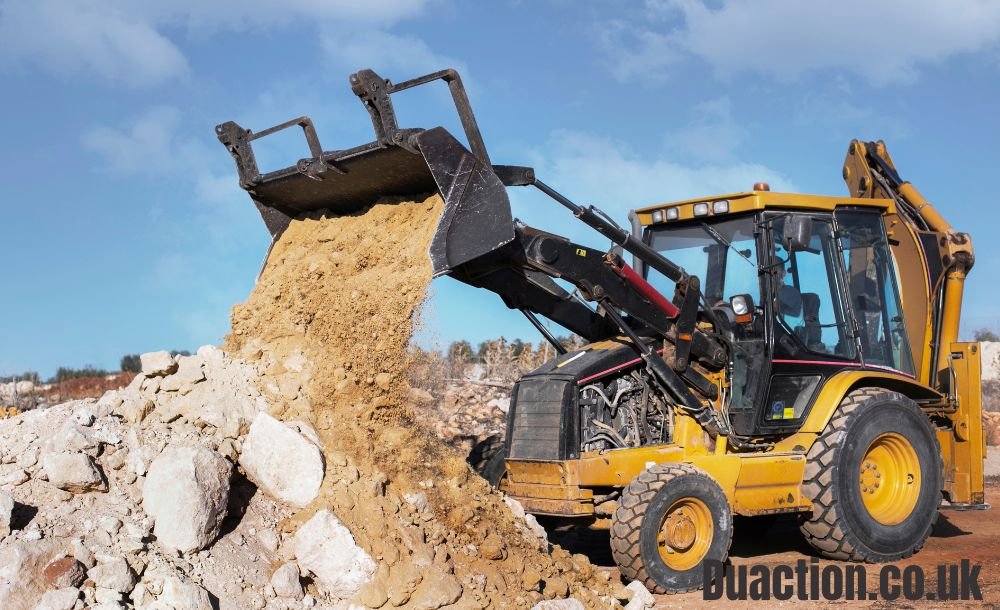
Dingo Construction Equipment work often involves big machinery excavators, cranes, and massive loaders but sometimes the smallest machines bring the biggest impact. Among those, Dingo construction equipment stands out as a smart choice for professionals, DIY enthusiasts, and landscapers alike. Compact yet powerful, versatile yet user-friendly, Dingo machines have grown from humble beginnings to become essential tools on worksites across the world..
Understanding Dingo Construction Equipment What Are They?
When people talk about a “dingo” in construction, they’re not referring to the wild Australian dog. They’re speaking about a clever little machine that fits where big equipment can’t. At heart, Dingo construction equipment refers to compact mini loaders and mini diggers originally developed in Australia and now used worldwide for a range of groundwork tasks.Unlike full-size skid steers or excavators, Dingo machines are designed to be small, agile, and multi-functional.
Where Dingo Machines Come From A Short History
The story of Dingo construction equipment is rooted in innovation born from necessity. The concept started in Australia in the early 1980s as a way to solve repetitive manual labour challenges on farms and construction sites. In 1991, Gary Briggs an engineer with an eye for practical design bought the rights and transformed the original idea into a production machine that could not only dig, lift, and move but also power a wide range of attachments.
Dingo vs Traditional Construction Equipment
You may be familiar with full-size skid steers, compact track loaders, or mini excavators. How does a Dingo loader compare?
- Size and Accessibility: Dingo machines are significantly smaller able to fit through standard doorways and access confined job sites where larger equipment simply won’t fit.
- Versatility: With quick-change hydraulic attachments, one machine can do many jobs from trenching and digging to sweeping, drilling, and loading.
- Cost and Maintenance: Dingo loaders are generally more affordable to buy, operate, and maintain than larger machines, making them ideal for smaller businesses and DIY users.
- Power vs Footprint: Despite their compact size, Dingos offer surprising torque and lift capacity, especially with modern hydraulic designs that optimize performance for attachments.
In essence, they don’t replace bigger machinery, they complement it.
Why “Dingo”? The Name and Its Meaning in Construction
You might wonder why these machines are called Dingos. Much like how Kleenex became synonymous with tissues, over time the term “Dingo” has become shorthand for compact, multi-purpose construction loaders, especially those that can turn in place, fit through narrow openings, and handle hydraulic tools. The name stems from the original product branding from Australia, but now many professionals worldwide understand “a dingo” to mean a versatile mini loader or digger whether manufactured by Dingo Australia or similar machines.
How Dingo Construction Equipment Works
At first glance, a Dingo Construction Equipment machine might look like a tiny tractor, but it’s much more than that. Power comes from a compact engine (either petrol or diesel), which drives a hydraulic system. This hydraulic power, often described as a “power plant on wheels,” allows the machine to drive attachments, lift heavy loads, dig trenches, and do many tasks conventionally reserved for bigger equipment.Hydraulic systems are at the heart of the machine.
Popular Uses of Dingo Machines in Construction and Landscaping
Dingo equipment is everywhere you might not expect it:
- Landscaping and Garden PrepThese little machines are perfect for soil removal, turf prep, and landscape clean-ups where bigger machines can’t squeeze through.
- Utility InstallationDigging trenches for irrigation, electrical cables, or pipelines is quicker and less labor-intensive with a trencher attachment on a Dingo.
- Fence ConstructionPost-hole attachments make short work of fence installations, especially in tight backyards or narrow fence lines.
- Site Cleanup From debris removal to grading and levelling, these units handle many daily tasks that would otherwise require multiple tools or much manual effort.
A Closer Look at Common Dingo Models
Dingo Australia, one of the leading brands in this space, offers a range of models. These variations let users choose something tailored to their needs:Dingo K9PW Entry-level petrol mini digger with 21HP, great for general landscaping and small construction jobs.Dingo K9DW Diesel powered version with 27HP for stronger performance and fuel efficiency.Dingo K9CW A heavier duty diesel model with increased lift capacity for demanding tasks.All models are designed to deliver strong hydraulic power in a compact frame, allowing you to get in, do the job, and leave without unnecessary fuss.
Key Features of Dingo Construction Equipment
Whether you’re a seasoned operator or just curious, here are some standout features that make Dingo machines unique:
Compact Footprint
One of the biggest advantages is how small these machines are. Many models can fit through narrow gateways or construction entrances often closed off to larger equipment. That’s a real plus on residential and urban jobsites.
Hydraulic Power
Dingos use a hydraulic power plant rather than simple mechanical systems. The hydraulic system feeds power to attachments whether it’s a trencher, a bucket, or auger making them extremely versatile.
All-Terrain Capability
High traction options, such as all-wheel drive or tracked setups, make these machines capable of performing across different ground conditions gravel, mud, gardens, or delicate turf without dragging or damaging surfaces.
Low Maintenance
With fewer moving parts and modern engine designs paired with hydraulic systems, many Dingo loaders are known for lower maintenance needs and reduced downtime.
Quick Attachment Changes
Many models offer a fast-attach system that lets you switch from bucket to trencher to post-hole digger in less than a minute, an efficiency boost on busy projects.
Why Operators Love Dingo Machines
Many seasoned tradespeople and homeowners say the same thing: once you use a Dingo loader, you’ll wonder how you managed without it. Here’s why:They are intuitive to operate, even for beginners.Despite their size, they handle soil, gravel, and other materials with ease.Their attachments make them useful across a wide range of tasks.They significantly reduce manual labour, saving time and energy on projects.This blend of power and flexibility makes them a favourite among landscapers, contractors, small business owners, and even serious DIYers.
Attachments Expand Your Dingo’s Capabilities
One of the biggest advantages of Dingo construction equipment is the rich world of attachments available:Buckets General purpose, rock, narrow, or broom buckets handle material movement and cleanup.Trenchers Great for utility laying and drainage channels.Augers & Hole Borers Drill post-holes quickly without labour-intensive digging.
Levellers & Rakes For site grading and finishing work.These attachments convert a Dingo machine from a loader into a multi-purpose tool that tackles a dozen tasks with ease.
Choosing the Right Dingo for Your Project
Before buying or hiring, consider these factors:
- Job Type: Are you digging, lifting, trenching, or cleaning up? Choose attachments accordingly.
- Terrain: Wheeled models are great for general use; tracked versions excel in muddy or soft conditions.
- Power Needs: Diesel engines usually provide better fuel economy and torque for heavy work.
- Space Constraints: If you’re navigating tight spaces, prioritize smaller widths and narrow wheel setups.
Buying vs Renting What’s Best?
If your needs are occasional, renting can be cost effective. Many hire centres offer Dingos with attachments and deliver them on trailers ready to go. For frequent use, investing in one provides long-term productivity and versatility. Consider frequency, budget, and maintenance comfort when deciding.
Maintenance Tips for Longevity
Keeping a Dingo in top shape isn’t complicated:
- Check hydraulic fluid levels and filters regularly
- Inspect attachments for wear and tear
- Keep tires or tracks properly tensioned
- Clean joints and pivot points as recommended
Routine care extends machine life and prevents costly repairs.
The Future of Compact Construction Equipment
As building sites become more crowded and efficiency becomes more crucial, compact machines like Dingo Construction Equipment loaders are gaining popularity. They address the industry’s need for power, precision, and adaptability all wrapped in an accessible and user-friendly package.
Final Thought
Dingo construction equipment represents a smart evolution in the world of compact machinery. These mini loaders and diggers deliver impressive performance without the bulk. Whether you’re digging trenches, laying post holes, clearing debris, or preparing landscapes, a Dingo can be your trusted workhorse. Their ability to adapt to different tasks with attachments combined with rugged Australian engineering and global usage makes them a versatile choice for professionals and DIYers alike.
FAQs About Dingo construction equipment
- What can Dingo construction equipment do on a job site?
Dingo machines can dig, lift, trench, level, drill holes, and power many attachments making them ideal for landscaping, utility installation, site cleanup, and more. - Are Dingo machines easy to operate for beginners?
Yes! The controls are intuitive, visibility is excellent, and with a short learning curve, most users can handle a Dingo with confidence. - Do I need special training or certification to use a Dingo?
While formal certification isn’t usually required for basic operation, proper training ensures safety and maximizes efficiency. - Can I fit attachments myself?
Most modern Dingo loaders feature quick-attach systems that allow operators to change attachments in minutes without specialized tools. - What’s the advantage of choosing Dingo over larger equipment?
Dingos are compact, more affordable, quicker to set up, and able to operate in spaces where larger machines can’t all while handling many of the same tasks.