
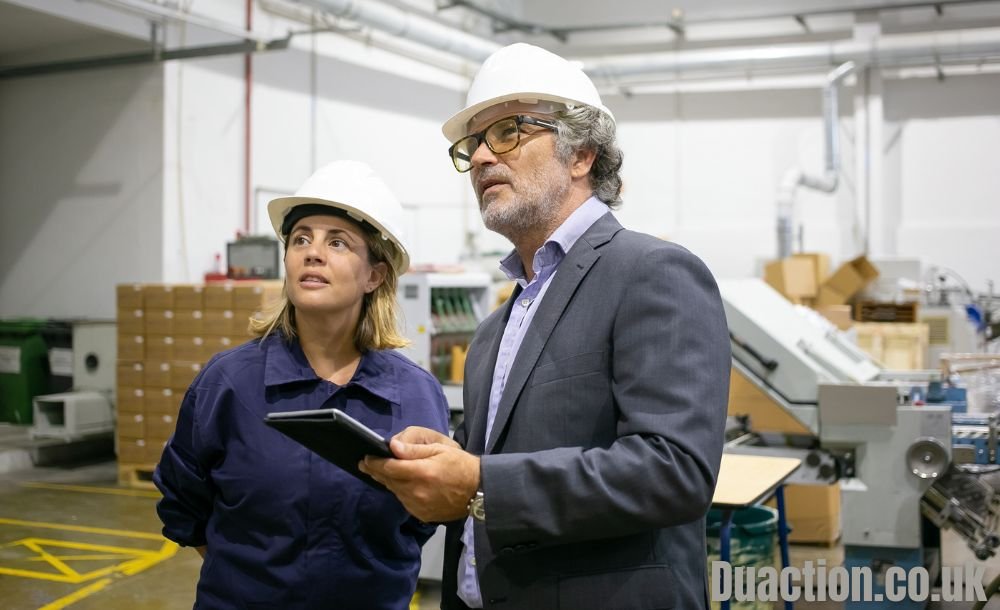
In today’s world of Chief Technical Examiner advanced technology and complex engineering projects, organizations need strong oversight to maintain quality, safety, and compliance. This is where the Chief Technical Examiner plays an essential role by reviewing technical work and ensuring that systems follow established standards and regulations. Acting as a guardian of technical integrity, the examiner helps detect risks early and prevents costly mistakes or system failures. Across industries like construction, manufacturing, government, and IT, this role supports reliability, protects investments, and strengthens public trust.
Understanding the Meaning of Chief Technical Examiner
A Chief Technical Examiner is a senior expert responsible for reviewing technical systems, projects, or processes to ensure they follow required standards and regulations. They examine designs, inspect work, conduct audits, and confirm technical accuracy. Unlike engineers who build solutions, their role focuses on providing an independent evaluation. This helps organizations detect risks, weaknesses, or compliance issues before they become serious problems.
Why the Role Is Important in Modern Organizations
Modern organizations work in environments where even small mistakes can lead to serious consequences. A flaw in engineering design, a product defect, or a weakness in software security can cause financial losses and safety risks. The chief technical examiner plays a key role in preventing these issues by carefully reviewing technical processes and ensuring all standards are properly followed. By analyzing reports, inspecting systems, and explaining findings in clear terms, they help both technical teams and management make safer and more informed decisions.
History and Evolution of the Chief Technical Examiner Role
The idea of technical examination has been around for many years, especially in government and engineering sectors where experts review projects to ensure transparency and proper use of public funds. These examination units were originally created to monitor contracts, procurement processes, and construction work to prevent financial irregularities. Over time, private industries also adopted this approach to evaluate product quality, system security, and operational standards. Today, a Chief Technical Examiner plays a broader role, acting as a strategic leader who oversees risk management, compliance, and technical improvements.
Core Mission of a Chief Technical Examiner
The core mission of a Chief Technical Examiner is to ensure that technical projects, systems, and processes follow proper standards, regulations, and ethical practices. They evaluate operations carefully to identify risks, prevent irregularities, and maintain transparency. Their role also includes improving technical efficiency and guiding organizations toward better decision-making.
Maintaining Technical Integrity
One of the most important responsibilities of a chief technical examiner is protecting technical integrity. This means ensuring that designs, materials, and processes follow approved standards.The examiner carefully reviews project documentation such as drawings, technical specifications, and test reports. By comparing these documents with actual implementation, they confirm whether the work matches the approved plans.
Ensuring Compliance and Quality
Compliance with regulations and industry standards is essential for every organization. The chief technical examiner ensures that technical work follows safety guidelines, environmental regulations, and legal requirements.Through audits, inspections, and reviews, the examiner verifies whether operations meet the required quality standards. If problems are detected, they provide recommendations to improve processes and prevent future issues.
Key Responsibilities of a Chief Technical Examiner
A Chief Technical Examiner ensures that technical work follows proper standards, safety rules, and quality requirements.
Short Points:
- Conduct technical audits
- Ensure regulatory compliance
- Inspect projects and systems
- Prepare technical reports
- Guide technical teams
Technical Audits and Inspections
Technical audits are one of the primary tasks performed by a chief technical examiner. These audits involve reviewing technical documents, inspecting systems or infrastructure, and verifying compliance with standards.For example, in construction projects, the examiner may review design drawings, inspect building materials, and verify structural safety. In manufacturing, they might analyze production processes and test product quality.
Compliance Monitoring
Another major responsibility is ensuring compliance with legal and technical regulations. Organizations must follow strict guidelines related to safety, environmental protection, and quality control.The chief technical examiner monitors these regulations and ensures that projects comply with them. This includes reviewing contracts, verifying procurement procedures, and checking whether materials meet technical standards.
Reporting and Documentation
Accurate documentation is essential in technical examination. The chief technical examiner prepares detailed reports describing their findings, including risks, deviations, and recommendations for improvement.These reports help management understand technical issues and make informed decisions. In many cases, the examiner’s reports become the basis for corrective actions or policy improvements.
Industries That Employ Chief Technical Examiners
The role of a chief technical examiner is relevant across many industries. As technology becomes more complex, organizations increasingly rely on technical oversight to maintain quality and compliance.
| Industry | Role of Chief Technical Examiner | Example Work |
| Government & Public Works | Infrastructure audits and procurement oversight | Review roads, bridges, and contracts |
| Construction & Engineering | Design and safety verification | Inspect building projects |
| Manufacturing | Product quality and process compliance | Audit production lines |
| IT & Technology | System security and performance review | Evaluate software systems |
| Energy & Utilities | Safety and operational audits | Inspect power plants |
Across these industries, the examiner ensures that systems operate safely and efficiently.
Skills Required to Become a Chief Technical Examiner
A Chief Technical Examiner needs a combination of strong technical knowledge, analytical thinking, and leadership abilities. They must understand complex systems, identify potential risks, and provide effective solutions. Excellent communication skills are essential to explain technical findings clearly. Additionally, integrity and attention to detail are critical for maintaining high standards of quality and compliance.
Technical Skills
Technical knowledge is the foundation of the role. A chief technical examiner must understand engineering principles, system design, and industry standards.They should be able to read complex technical drawings, analyze data, and evaluate performance metrics.
Analytical and Leadership Skills
In addition to technical knowledge, strong analytical skills are essential. The examiner must identify problems, analyze risks, and recommend effective solutions.Leadership skills are also important because the examiner often supervises a team of technical inspectors and mentors junior staff.
Educational Qualifications and Career Path
Most chief technical examiners begin their careers as engineers, technical auditors, or quality assurance specialists. A bachelor’s degree in engineering, information technology, or a related technical field is usually required.
Career progression typically follows this path:
- Technical Engineer or Inspector
- Senior Technical Examiner
- Technical Audit Manager
- Chief Technical Examiner
With experience, professionals may move into executive roles related to compliance, engineering management, or risk management.
Tools and Technologies Used by Chief Technical Examiners
Technology has transformed how technical examinations are conducted. Modern examiners use digital tools to analyze data, monitor projects, and perform remote inspections.
Common technologies include:
- Data analytics platforms for detecting anomalies in project data
- Digital auditing tools for reviewing documents and reports
- Drones for inspecting construction sites and infrastructure
- AI-assisted analysis for reviewing large datasets
These tools help examiners work more efficiently and identify risks more quickly.
Challenges Faced by Chief Technical Examiners
Despite its importance, the role of a chief technical examiner is not without challenges. One major difficulty is maintaining independence while working closely with project teams.The examiner must provide objective evaluations even when their findings may be unpopular. This requires strong ethical standards and professional integrity.Another challenge is keeping up with rapidly evolving technologies. Industries such as IT, renewable energy, and advanced manufacturing are constantly changing, requiring examiners to continuously update their knowledge.
Importance of Ethics and Integrity
Ethics play a critical role in the work of a chief technical examiner. Because their decisions can influence large financial investments and public safety, they must remain impartial and transparent.Integrity ensures that examinations are conducted fairly and that findings are reported accurately. Without ethical oversight, technical examination processes could lose credibility.Organizations rely on chief technical examiners to provide honest assessments and protect the integrity of technical systems.
Future Trends for the Chief Technical Examiner Role
The future of the chief technical examiner role is closely connected to technological innovation. As digital transformation accelerates, examiners will increasingly rely on advanced tools for monitoring and analysis.Artificial intelligence, machine learning, and predictive analytics will help identify technical risks before they occur. Remote inspection technologies, such as drones and IoT sensors, will allow examiners to monitor projects in real time.
Final thoughts
The chief technical examiner plays a vital role in ensuring that technical systems, projects, and processes meet the highest standards of quality, safety, and compliance. By conducting audits, reviewing documentation, and providing independent evaluations, the examiner protects organizations from technical failures and financial risks.In a world where infrastructure projects, manufacturing processes, and digital systems are becoming increasingly complex, the importance of this role continues to grow.
FAQs About chief technical examiner
1. What does a chief technical examiner do?
A chief technical examiner reviews technical systems, projects, or processes to ensure they meet industry standards, safety regulations, and organizational policies.
2. What qualifications are required for a chief technical examiner?
Most positions require a degree in engineering or a technical field, along with significant experience in auditing, inspection, or technical management.
3. Which industries employ chief technical examiners?
Industries such as construction, manufacturing, government oversight, energy, and information technology commonly employ chief technical examiners.
4. What skills are essential for a chief technical examiner?
Important skills include technical expertise, analytical thinking, leadership, communication, and strong ethical judgment.
5. Is the chief technical examiner role growing in demand?
Yes. As organizations focus more on quality assurance, compliance, and risk management, the demand for experienced technical examiners continues to increase.