
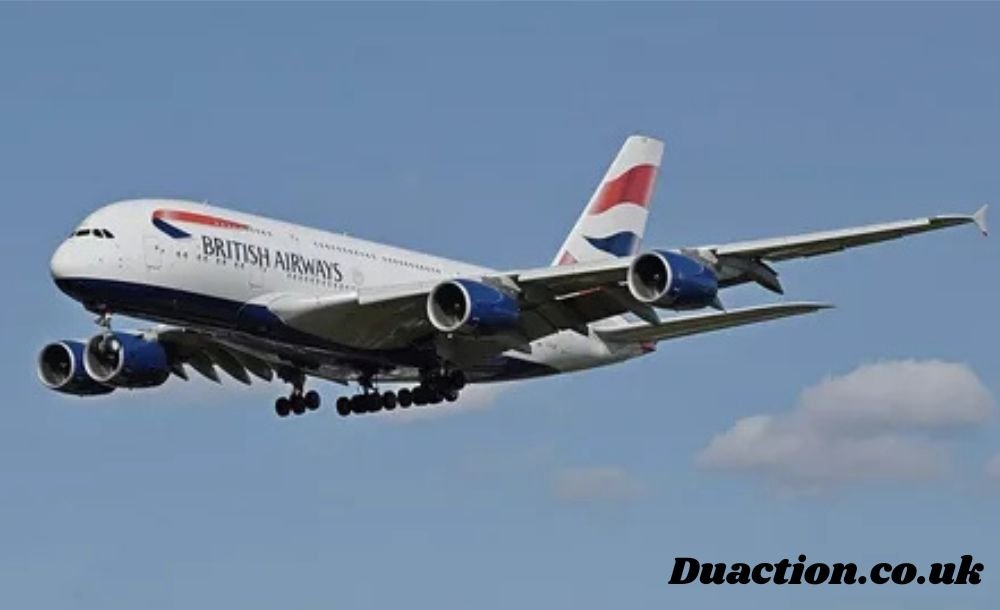
The British Airways emergency flight BA286 is one such incident that captured global attention, not because of the disaster, but because of how smoothly a potential crisis was handled. When news of an emergency mid-flight surfaced, passengers, aviation enthusiasts, and everyday travelers all wanted to understand what really happened.
Overview of Flight BA286
Flight BA286 is an international passenger flight operated by British Airways, typically traveling from San Francisco to London. It is a long-haul service known for connecting major business and tourism hubs. The flight is usually operated using wide-body aircraft, offering multiple cabin classes for passenger comfort.
Route and Aircraft Details
The British Airways emergency flight BA286 typically operates on a transatlantic route connecting San Francisco International Airport to London Heathrow. This route is one of the busiest and most important international connections, linking major business hubs and tourist destinations. The aircraft used is usually a wide-body jet like a Boeing 777 or Airbus A380, designed for long-haul comfort and efficiency.Flights like BA286 often carry hundreds of passengers, making safety an absolute priority. These aircraft are equipped with advanced navigation systems, backup mechanisms, and highly trained crew members who are prepared for every possible scenario.
Importance of the Route
This route isn’t just another flight pathit’s a lifeline between continents. Business professionals, families, and tourists rely on it daily. Because of its importance, airlines like British Airways maintain strict operational standards. Every flight is monitored closely, both in the cockpit and from ground control centers.When an emergency occurs on such a high-profile route, it quickly becomes global news. That’s exactly what happened with the British Airways emergency flight BA286, turning a routine journey into a widely discussed aviation event.
Timeline of the Emergency
The timeline of the Emergency in India began on June 25, 1975, when Prime Minister Indira Gandhi declared a state of Emergency. Civil liberties were suspended, political opponents were arrested, and strict press censorship was imposed. The
Takeoff and Initial Journey
The flight began like any other long-haul journey. Passengers boarded, settled into their seats, and prepared for a 10-hour trip across the Atlantic. The takeoff was smooth, and the aircraft climbed steadily to cruising altitude. For the first few hours, everything seemed perfectly normal.At cruising altitude, aircraft systems continuously monitor performance, pressure levels, and passenger conditions. It’s during this phase that most flights remain uneventful, allowing travelers to relax, sleep, or enjoy onboard services.
Emergency Declaration
Midway through the journey, something unusual triggered concern in the cockpit. Reports indicate that the crew declared an emergency using the internationally recognized code “squawk 7700.” This signal immediately alerts air traffic control that the aircraft requires priority handling.The reason behind this declaration varies depending on the source. Some reports suggest a medical emergency onboard, while others hint at possible technical irregularities. Regardless of the cause, the decision to declare an emergency is always made with safety as the top priority.
Landing Outcome
Despite the tension, the outcome was reassuring. The aircraft landed safely, either at its destination or a diversion airport depending on the situation described in different reports. Importantly, there were no major injuries, and passengers were kept informed throughout the process.This safe landing highlights the effectiveness of aviation protocols. Even in unexpected situations, trained professionals and advanced systems work together seamlessly.
What Caused the Emergency?
The emergency was caused by a sudden and unexpected event that disrupted normal conditions. It may have resulted from natural factors, human error, or technical failure. Such situations often arise quickly and require immediate response to prevent further harm.
Medical Emergency Possibility
One of the most widely reported explanations for the British Airways emergency flight BA286 is a medical emergency onboard. In such cases, the crew may declare an emergency to ensure the fastest possible landing and immediate medical assistance for the affected passenger.Medical emergencies are actually one of the most common reasons for in-flight diversions. From heart-related issues to severe allergic reactions, airlines are prepared to handle these situations with onboard medical kits and trained staff.
Technical Issue Speculation
Other reports suggest a technical issue, such as a cabin pressure anomaly or system irregularity. For example, sudden deployment of oxygen masks could indicate a pressure-related concern, prompting an emergency descent.It’s important to understand that even minor technical warnings can trigger emergency protocols. This doesn’t mean the aircraft is unsafeit means the crew is acting cautiously, which is exactly what passengers want.
Understanding Squawk 7700
In aviation, communication is everything. The code “squawk 7700” is used by pilots to signal a general emergency. Once activated, it alerts all radar systems and air traffic controllers that the aircraft needs immediate assistance.This system ensures that the aircraft gets priority clearance, meaning other planes may be rerouted to make way. It’s like turning on emergency lights in the skyeveryone knows to give space.The use of this code during the British Airways emergency flight BA286 demonstrates how standardized and efficient aviation communication systems are.
How Pilots Handle Emergencies
Pilots are trained to stay calm and follow strict procedures during emergencies, using checklists and communicating clearly with air traffic control. They rely on their training, teamwork, and aircraft systems to quickly assess the situation and make safe decisions. Their primary goal is always to protect passengers and land the aircraft safely.
Standard Procedures
Pilots train extensively for emergency scenarios. Simulators replicate situations like engine failure, cabin pressure loss, and onboard medical crises. When something unexpected happens, there’s no panicjust procedure.The crew follows a checklist, communicates with each other, and takes calculated steps to ensure safety. This structured approach removes guesswork and ensures consistency.
Communication with ATC
Air traffic control plays a crucial role during emergencies. Once notified, controllers coordinate with the flight crew, provide guidance, and prepare the destination airport for arrival.This teamwork between sky and ground is what makes aviation one of the safest modes of transport.
Passenger Experience Onboard
For passengers, an emergency announcement can feel unsettling. Some travelers on the British Airways emergency flight BA286 reported feeling anxious, while others remained calm due to the professionalism of the crew.Clear communication is key. When passengers are informed about what’s happening, it reduces panic and builds trust. Cabin crew members are trained not just for safety, but also for emotional reassurance.
Role of Cabin Crew
Cabin crew act as the bridge between the cockpit and passengers. During emergencies, they ensure everyone follows safety procedures, from fastening seatbelts to using oxygen masks.Their calm demeanor often sets the tone for the entire cabin. Even in tense moments, their training allows them to manage situations effectively.
Airline Response and Safety Measures
When an emergency like BA286 occurs, British Airways immediately activates its safety protocols to ensure every passenger and crew member remains secure. The airline coordinates with air traffic control, prepares the destination airport for a safe landing, and conducts thorough inspections and investigations afterward. This proactive approach reflects the airline’s commitment to continuous safety improvement and passenger well-being.
Aviation Safety Systems Explained
Aviation safety systems are a combination of advanced technologies, procedures, and human practices designed to prevent accidents and ensure secure flight operations. These systems include tools like collision avoidance systems, weather radar, and strict maintenance protocols that work together to minimize risks. Overall, they play a critical role in protecting passengers, crew, and aircraft in modern aviation.
Why Emergency Landings Are Often Safe
Emergency landings are often safe because pilots are highly trained to handle unexpected situations and follow strict safety procedures. Modern aircraft are also designed with advanced systems that help ensure control even during emergencies. Additionally, air traffic control and ground teams work together quickly to support a safe landing.
Media Coverage and Public Reaction
Media coverage of the event was widespread, with major outlets highlighting its key developments and impact. Public reaction was mixed, as some people expressed strong support while others raised concerns and criticism. Overall, it sparked significant discussion across social and traditional media platforms.
Lessons Learned from BA286
From BA286, I learned the importance of strategic thinking and data-driven decision-making in business environments. The course also highlighted how effective leadership and teamwork contribute to organizational success. Additionally, I gained insight into analyzing real-world business challenges and developing practical solutions.
Comparing BA286 with Other Aviation Incidents
Compared to other aviation incidents, BA286 stands out due to its specific combination of technical challenges and crew response under pressure. While many incidents share common factors like mechanical faults or weather conditions, BA286 highlights the importance of effective decision-making and communication. Overall, it reflects broader aviation safety trends where human factors play a crucial role alongside technology.
Expert Insights on Aviation Safety
Expert insights on aviation safety emphasize that modern air travel is one of the safest modes of transportation due to rigorous regulations, advanced technology, and continuous pilot training. Experts also highlight the importance of learning from past incidents to improve systems and prevent future risks. Ongoing innovation and strict safety protocols remain key to maintaining and enhancing aviation safety worldwide.
How Passengers Should React During Emergencies
When an emergency occurs on a flight, passengers should remain calm and attentive, following all instructions from the cabin crew without hesitation. Panicking can make the situation more stressful, so focusing on safety procedures, fastening seatbelts, and listening carefully ensures both personal safety and a smoother response for everyone onboard.
Psychological Impact on Travelers
Experiencing an in-flight emergency, like the British Airways BA286 incident, can leave travelers feeling anxious or shaken long after landing. Even when everything ends safely, the sudden awareness of potential danger can trigger stress, heightened alertness, or lingering unease. Understanding aviation safety and witnessing the crew’s professionalism often helps passengers regain confidence and reduce fear over time.
Future of Aviation Safety
The future of aviation safety looks brighter than ever, thanks to rapid advancements in technology and rigorous international standards. Innovations like AI-powered monitoring systems, real-time diagnostics, and enhanced pilot training are making air travel safer and more reliable. As airlines continue to invest in these measures, passengers can expect smoother, more secure journeys in the years ahead.
Final Thoughts
The story of the British Airways emergency flight BA286 is not one of fear, but of reassurance. It shows how modern aviation is designed to handle unexpected situations with precision and care. From the moment the emergency was declared to the safe landing, every step reflected the strength of global aviation systems.
FAQs About British Airways flight BA286
- What happened on British Airways flight BA286?
The flight declared an emergency mid-air due to either a medical or technical issue and landed safely. - Was anyone injured during the incident?
No major injuries were reported. - What does squawk 7700 mean?
It is a universal code indicating a general emergency. - Are emergency landings dangerous?
They are usually controlled and safe due to strict procedures. - How common are in-flight emergencies?
They are rare and typically handled without serious consequences.