
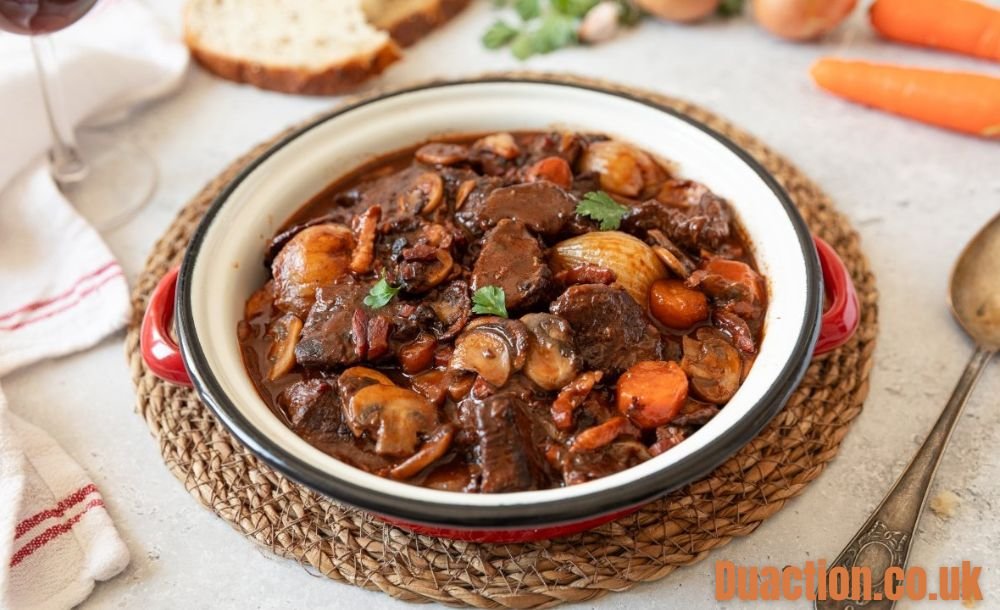
Cevurı is not simply a dish served on a plate; it is a tradition slowly shaped by time and memory. Before modern appliances filled kitchens with noise and speed, this meal was prepared in humble homes where instinct, aroma, and experience guided every step. It grew out of communities that treated food as a shared ceremony, gathering around open flames to cook spiced meats patiently and with care.
The Cultural Significance of Cevurı
Cevurı serves as a powerful cultural symbol, often prepared for family gatherings and festive occasions as a sign of warmth and generosity. Sharing it with guests reflects deep-rooted traditions of hospitality and respect. Its rich, smoky aroma instantly creates a sense of comfort and belonging. Shaped by seasonal ingredients and regional influences, cevurı continues to evolve while preserving the spirit and identity of the communities that cherish it.
The Meaning Behind the Name Cevurı
The name cevurı is believed to be linked to a traditional cooking method that involves turning or flipping food over heat. Rather than describing specific ingredients, the word highlights the action and technique used in its preparation. This reflects how important the cooking process is to the identity of the dish itself. In many ways, the name captures the essence of patience, movement, and balance that defines cevurı.
Linguistic Roots and Interpretations
The linguistic roots of many words reveal how language evolves across cultures and generations. By tracing a term back to its original form, we often uncover meanings that were once more concrete or symbolic. Interpretations can shift over time, shaped by social, historical, and regional influences. Understanding these roots not only deepens vocabulary knowledge but also connects us to the stories embedded within language itself.
How the Name Reflects the Cooking Technique
If you watch someone preparing cevurı the traditional way, you’ll notice constant attention to turning and adjusting. Meat is rotated carefully, spices are stirred gently, and heat is monitored closely. The technique demands patience and awareness. You can’t rush cevurı; it responds to care.
Core Ingredients That Define Authentic Cevurı
Authentic Cevurı is defined by a few simple yet powerful ingredients that create its signature taste. Fresh, high-quality meat is the heart of the dish, carefully seasoned to enhance its natural flavor. Aromatic spices and herbs add warmth and depth, giving Cevurı its distinctive character. Finally, traditional cooking methods bring everything together, preserving the rich texture and bold, comforting taste that make it truly special.
Selecting the Right Protein
At the heart of cevurı lies its protein base. Traditionally, lamb or beef has been the preferred choice due to its rich texture and ability to absorb robust spices. The meat is typically cut into medium-sized pieces, allowing for thorough marination and even cooking. Quality matters here fresh, well-sourced meat enhances the final result dramatically.The fat content also plays a role. Slight marbling ensures that the meat remains tender during slow cooking.
Traditional Meat Choices
Historically, lamb was favored in pastoral communities where sheep farming was common. Its slightly gamey flavor pairs beautifully with earthy spices. Beef, on the other hand, became popular in regions with cattle herding traditions. Both options provide depth and richness.These meats weren’t chosen randomly; they reflected what was locally available. That connection to land and livelihood reinforces cevurı’s authenticity. The dish evolved in harmony with agricultural practices.
Modern Variations and Alternatives
Today, culinary creativity has expanded the possibilities. Chicken cevurı offers a lighter alternative, while plant-based adaptations use mushrooms or textured vegetable protein to mimic traditional textures. These variations respect the spirit of cevurı while accommodating modern dietary preferences.The key lies in preserving the spice balance and cooking technique. Even when ingredients change, the essence of cevurı, its slow, attentive preparation remains intact.
Spices and Aromatics That Create Depth
Spices are where cevurı truly shines. A blend of paprika, cumin, black pepper, garlic, and dried herbs creates a warm, layered flavor profile. Some variations include chili flakes for heat or coriander for citrus undertones. Onions often form the aromatic base, caramelized slowly to build sweetness.What makes this spice combination special is its harmony. No single element dominates. Instead, each spice contributes to a unified whole. When heated gently, the oils release fragrance that fills the kitchen. It’s not overpowering—it’s inviting. This balance transforms simple meat into something memorable.
The Traditional Preparation Process
The traditional preparation process begins with carefully selecting fresh, high-quality ingredients that reflect local customs and seasonal availability. Each step is performed with patience, often following methods passed down through generations. Ingredients are measured by experience rather than strict rules, allowing natural flavors to develop slowly. In the end, the process is not just about cooking but about preserving culture, memory, and shared tradition.
Marination The Heart of Flavor
Marination is where cevurı begins to come alive. Meat is typically coated in a mixture of spices, oil, and sometimes yogurt or lemon juice. This step tenderizes the protein and allows flavors to penetrate deeply. Time is essential; a few hours is good, but overnight marination creates magic.The acidity from yogurt or citrus helps break down fibers, resulting in tenderness. Meanwhile, spices infuse every layer. When cooked, the meat doesn’t just taste seasoned on the outside it carries flavor within.
Balancing Acidity and Heat
Balance is everything. Too much acid can overpower the dish, while excessive spice may mask natural flavors. Skilled cooks adjust quantities instinctively, tasting and tweaking as needed. This intuitive balance reflects years of experience.The goal is harmony, a subtle tang complemented by warmth and earthiness. When achieved, the marinade doesn’t shout; it sings.
Cooking Techniques Passed Through Generations
Cevurı is traditionally cooked over moderate heat, either in a heavy pan or over an open flame. Slow cooking ensures tenderness while allowing spices to caramelize gently. The process requires patience. Quick, high heat may cook the meat, but it won’t develop the same complexity.Generational knowledge plays a crucial role here. Elders often teach younger cooks how to “listen” to the dish; the sizzle indicates moisture levels, while aroma signals readiness.
Open Flame vs. Pan Cooking
Open flame and pan cooking each bring a unique character to food. Cooking over an open flame adds a natural smokiness.
- Open Flame: Lightly toasting flatbread directly over a flame gives it soft bubbles and a gentle smoky aroma. Roasting vegetables on skewers above glowing coals adds a faint char that enhances sweetness without overpowering the natural taste.
- Pan Cooking: Sautéing vegetables in a pan allows them to cook evenly while keeping their moisture and color intact. Pan-searing meat creates a golden crust on the outside while sealing in juices, resulting in a balanced and flavorful dish.
Regional Variations of Cevurı
Cevurı shows subtle regional variations, with each area adding its own local touch to the dish. In coastal regions, it is often prepared with lighter ingredients and fresh herbs, giving it a brighter and more refreshing flavor. Inland areas may use richer spices and heartier components, creating a deeper and more robust taste. These regional differences reflect local traditions, available ingredients, and the cultural identity of each community.
Coastal Interpretations
In coastal regions, seafood cevurı has emerged as a unique adaptation. Fish or shrimp replace traditional meats, and citrus notes become more pronounced. The result is lighter but equally flavorful.These interpretations demonstrate cevurı’s flexibility. While rooted in tradition, it adapts gracefully to local resources. Coastal herbs and olive oil may replace heavier fats, reflecting regional tastes.
Mountain and Rural Adaptations
Mountain communities often prepare cevurı with heartier spice blends and longer cooking times. The colder climate calls for richer, warming meals. Potatoes or root vegetables are sometimes added, transforming the dish into a complete one-pot meal.These adaptations showcase resilience and practicality. Cevurı evolves without losing its identity, absorbing regional character like a culinary sponge.
The Modern Revival of Cevurı
In recent years, Cevurı has experienced a thoughtful revival, blending traditional roots with modern creativity. Chefs and cultural enthusiasts are rediscovering its heritage and presenting it in fresh, contemporary ways. Social media and global travel have also helped introduce Cevurı to a wider audience beyond its place of origin. As a result, it now stands as both a symbol of tradition and a reflection of evolving tastes.
Cevurı in Contemporary Cuisine
In recent years, chefs have rediscovered traditional dishes and elevated them for modern audiences. Cevurı has found its way onto upscale menus, often plated artistically with microgreens and gourmet sauces. While presentation changes, the core remains familiar.This revival isn’t about replacing tradition it’s about celebrating it. Young chefs see cevurı as a canvas, blending heritage with innovation. Diners appreciate authenticity paired with creativity.
Fine Dining Reinventions
Fine dining versions might feature slow-braised lamb cevurı served with saffron-infused grains or roasted seasonal vegetables. The flavors stay true, but textures and plating become refined.This reinvention proves that traditional food can evolve without losing soul. It simply adapts to new contexts.
Why Cevurı Is Gaining Global Attention
Global interest in authentic, heritage-based cuisine has fueled cevurı’s popularity. Travelers seek meaningful food experiences, and cevurı offers exactly that a story on a plate. Social media exposure has also played a role, with food enthusiasts sharing vibrant images and recipes.People crave connection in an increasingly fast-paced world. Cevurı delivers comfort, nostalgia, and depth. It reminds us that good food takes time, intention, and heart.
Final Thoughts
Cevurı stands as a testament to the enduring power of tradition. It is not merely a recipe but a ritual, a culinary practice rooted in patience, balance, and community. From its humble beginnings around open fires to its presence in modern kitchens and restaurants, cevurı continues to evolve while honoring its origins. Its name reflects motion, its spices reflect
FAQs About cevurı
1. What makes cevurı different?
Its turning-based cooking method ensures even caramelization and balanced spice flavor.
2. Can cevurı be vegetarian?
Yes, it can be made with mushrooms, legumes, or plant-based proteins.
3. How long should it marinate?
At least 4–6 hours; overnight gives better flavor.
4. Is cevurı very spicy?
It ranges from mild to moderately spicy, focusing on warmth over heat.
5. How is cevurı best served?
With flatbread, rice, or roasted vegetables, topped with fresh herbs.