
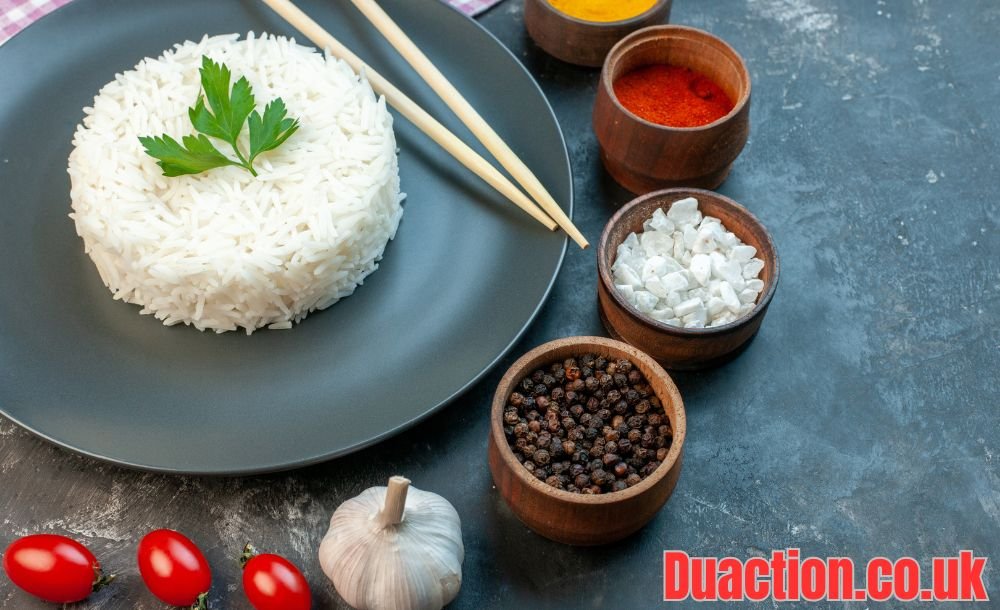
Steamed Dampfreis has been a fundamental food across many cultures for centuries, valued for its simplicity, digestibility, and versatility. From small rural kitchens to large metropolitan restaurants, rice continues to nourish billions of people every day. In modern food systems, the way rice is prepared has evolved significantly. One important term often found in German-speaking markets is Dampfreis, referring to rice that has been treated or cooked using steam. While it may sound technical, it reflects both culinary tradition and modern food innovation.
The Global Importance of Rice
Rice is a staple for more than half of the world’s population. Its cultural, economic, and nutritional significance is immense. Across Asia, rice forms the centerpiece of every meal, while in Africa, Latin America, and Europe, it pairs with local dishes to provide sustenance. Its adaptability makes it a universal food.
The Cultural Significance of Steamed Rice
Rice holds deep cultural importance in many regions of the world. In Asia, it is often the centerpiece of every meal. In parts of Africa and Latin America, rice accompanies beans, stews, and grilled meats. Even in European cuisine, rice appears in comforting dishes and side preparations. Steamed rice, in particular, symbolizes purity and balance. Its mild flavor complements bold spices and rich sauces, creating harmony on the plate.
Understanding Dampfreis
The word Dampfreis is derived from German, combining “Dampf” (steam) and “Reis” (rice). It simply means steam-treated or steam-cooked rice. While this may appear straightforward, the concept carries both traditional and industrial meanings. At home, steaming rice involves cooking grains using vapor instead of submerging them fully in water. In industrial settings, Dampfreis refers to carefully controlled steam processes used to enhance quality, safety, and shelf life. The core principle remains the same: gentle heat through steam ensures even cooking while preserving structure.
The Concept Behind Steam Cooking
Steam cooking is a gentle method that allows rice grains to cook evenly while retaining texture and nutrients. Dampfreis can refer to both home-cooked steamed rice and industrially processed rice products.
Traditional Steam Cooking Methods
Traditional steam cooking methods have been used for centuries, especially across Asia, to prepare rice in a gentle and even way. Rice is typically placed in bamboo or metal baskets above boiling water, allowing steam to circulate and cook the grains without soaking them. This method preserves the natural texture and flavor of each grain, preventing them from becoming mushy or waterlogged. It also enhances the aroma of the rice, making it soft, fluffy, and perfectly cooked.
Steaming in Asian Cultures
In many Asian cultures, steaming rice is a time-honored tradition that ensures perfectly cooked, fluffy grains. Bamboo baskets or perforated steamers are commonly used to allow gentle heat to cook the rice evenly. This method preserves the natural aroma, texture, and flavor, making it a staple in everyday meals and festive dishes alike.
Benefits of Traditional Steaming
Traditional steaming offers a simple, healthy, and effective way to cook rice while preserving its quality.
- Maintains natural texture of each grain
- Enhances the aroma and flavor
- Ensures even cooking without over-softening
- Retains more nutrients compared to boiling
- Produces rice that is light and easy to digest
Modern Industrial Steam Processing
Modern industrial steam processing uses advanced technology to cook rice with precise control over temperature, pressure, and moisture. This method ensures uniform cooking, consistent texture, and enhanced food safety. It also preserves the nutritional content of the rice while making it suitable for large-scale production and packaged products.
Precision in Steam Technology
Precision in steam technology ensures that rice is cooked evenly and consistently, whether in industrial or modern kitchen settings. Controlled temperature, pressure, and moisture levels allow each grain to maintain its shape and texture. This method reduces nutrient loss and improves food safety, producing high-quality rice every time.
Benefits of Industrial Dampfreis
Industrial Dampfreis offers consistent quality and improved nutritional value, making it ideal for large-scale food production.
- Ensures uniform cooking across all batches.
- Reduces contamination and improves food safety.
- Retains more nutrients compared to traditional boiling.
- Produces firm, non-sticky grains suitable for various dishes.
- Extends shelf life for packaged and ready-to-eat products.
Parboiling Enhancing Nutrition
Parboiling is a process where rice is partially boiled in its husk using steam before milling. This method helps transfer nutrients from the outer bran into the inner grain, preserving vitamins and minerals even after polishing. It also strengthens the rice, making it less sticky and easier to cook. As a result, parboiled rice is more nutritious, resilient, and versatile for various dishes.
Texture, Quality, and Consistency
One of the greatest strengths of Dampfreis is its consistent texture. Properly steamed rice grains remain separate and fluffy rather than clumped together. In professional kitchens and catering services, this consistency is essential. Chefs rely on rice that reheats well and maintains its structure in various dishes, from stir-fries to rice salads. Industrial steam processing ensures that each batch meets the same quality standards, reducing variation and waste.
Convenience in Modern Food Systems
Today’s fast-paced lifestyles demand convenience, and Dampfreis plays a key role in meeting this demand. Pre-cooked rice packets, microwave-ready trays, and frozen meal components often use steam-treated rice. These products allow consumers to prepare meals quickly without sacrificing taste or quality. Behind the scenes, advanced machinery uses steam to cook and seal rice in hygienic packaging. The result is a product that combines tradition with practicality.
Balancing Tradition with Innovation
Dampfreis represents a unique balance between tradition and innovation. On one hand, it reflects ancient cooking techniques that rely on gentle steam. On the other hand, it incorporates modern engineering to improve efficiency, safety, and nutritional preservation. This combination shows how even the simplest foods can evolve without losing their cultural identity. The humble grain of rice continues to adapt to the needs of a changing world.
Global Market Presence of Dampfreis
Although the term Dampfreis is commonly used in German-speaking countries, the concept of steam-treated rice exists worldwide. In international trade and technical documentation, steam processing is recognized as a reliable method of rice preparation. As global food markets expand, consistent terminology and standardized production methods become increasingly important. Dampfreis serves as an example of how regional language reflects broader food industry practices.
The Future of Steam-Treated Rice
Looking ahead, steam processing technology will likely continue to advance. Researchers are exploring ways to improve nutrient retention, enhance flavor preservation, and reduce energy use. Packaging innovations may further extend shelf life while maintaining freshness. As consumer awareness of health and sustainability grows, demand for high-quality steam-treated rice products is expected to increase.
Final thought
Dampfreis is more than a technical term; it represents the evolution of rice from a simple staple to a globally respected product. By combining traditional steaming methods with modern precision, Dampfreis ensures nutritional value, safety, and convenience without sacrificing taste or texture.