
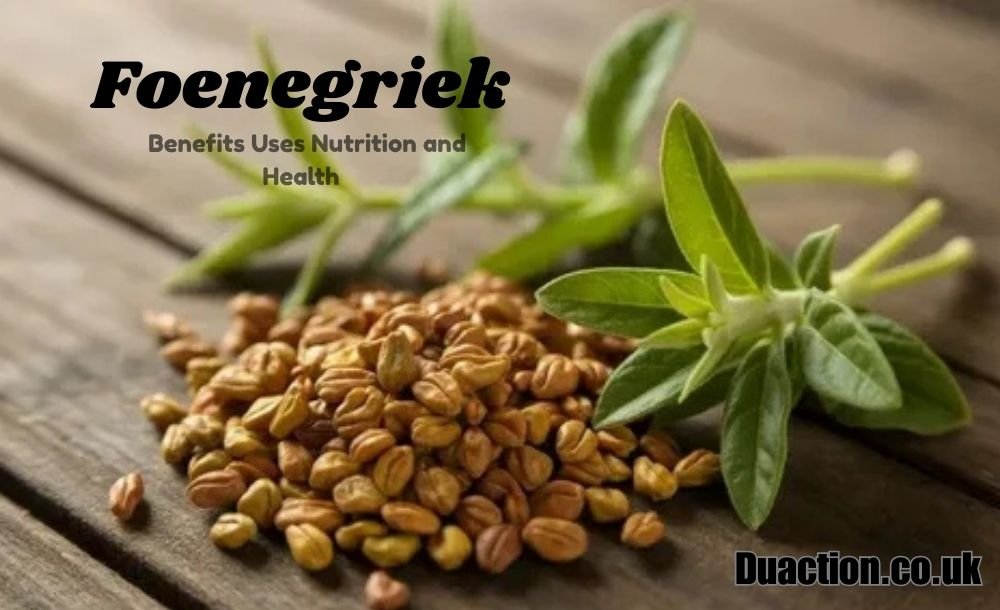
Fenugreek, a time-honored herb, is celebrated not just for its culinary uses but also for its remarkable benefits for skin, hair, and overall beauty. Packed with vitamins, minerals, proteins, and antioxidants, it nourishes from within while offering natural remedies for common beauty concerns. From promoting healthy hair growth to improving skin texture and radiance, fenugreek has earned its place as a versatile and trusted ingredient in traditional and modern beauty routines alike.
What Is Foenegriek (Fenugreek)?
Foenegriek, commonly known as fenugreek, is a natural herb widely used in cooking and traditional medicine. Its seeds and leaves have a slightly bitter taste and a distinctive aroma. Originating from the Mediterranean and South Asian regions, fenugreek is valued for both its flavor and potential health benefits.
Historical Background and Traditional Use
Throughout history, many natural remedies and cultural practices have been passed down from one generation to another. Traditional communities often relied on local knowledge, using herbs, techniques, or customs to support health and daily living. These practices were shaped by experience, observation, and cultural beliefs over time. Even today, many traditional methods continue to influence modern approaches and remain valued in different parts of the world.
Nutritional Profile of Foenegriek
Foenegriek, commonly known as fenugreek, is valued for its rich nutritional profile and natural health benefits. It contains essential nutrients such as fiber, protein, iron, magnesium, and several important vitamins. The seeds are also known for their antioxidants and plant compounds that support digestion and overall wellness. Because of these nutrients, foenegriek is often included in traditional diets and natural health practices. Its balanced nutritional content makes it a beneficial addition to a healthy lifestyle.
Health Benefits of Foenegriek
Fenugreek is a nutrient-rich herb known for its wide-ranging health benefits. It supports overall wellness naturally.
Health Benefits of Fenugreek:
- Helps regulate blood sugar levels and supports diabetes management.
- Improves digestion and reduces bloating.
- Boosts heart health by lowering cholesterol levels.
- Enhances milk production in breastfeeding mothers.
- Reduces inflammation and supports joint health.
Supports Blood Sugar Control
This benefit refers to the ability to support balanced blood sugar levels in the body. Maintaining stable glucose levels is important for overall health and energy. Certain foods, nutrients, or lifestyle habits can help regulate how the body processes sugar. As a result, they may contribute to better metabolic balance and long-term wellness.
Improves Heart Health
Improving heart health is essential for maintaining overall well-being and a long, active life. Healthy habits such as regular physical activity, balanced nutrition, and stress management help strengthen the heart and improve blood circulation. When the heart functions efficiently, it supplies oxygen and nutrients to the entire body more effectively. Over time, these positive lifestyle choices can reduce the risk of heart disease and support better cardiovascular health.
Boosts Testosterone and Male Health
Boosting testosterone plays an important role in supporting overall male health. Healthy testosterone levels can improve energy, muscle strength, and physical performance. It also contributes to better mood, confidence, and mental focus. In addition, balanced hormones support reproductive health and overall well-being in men. Maintaining a healthy lifestyle can naturally help support optimal testosterone levels.
Enhances Breast Milk Production
Enhancing breast milk production is important for supporting a baby’s healthy growth and development. A balanced diet, proper hydration, and regular breastfeeding can naturally help stimulate milk supply. When a mother nurses frequently, the body responds by producing more milk to meet the baby’s needs. Rest, reduced stress, and proper nutrition also play a key role in maintaining steady milk production. With consistent care and healthy habits, many mothers can successfully support and improve their breast milk supply.
Macronutrients and Mineral Composition
To better understand why foenegriek is so nutritious, it helps to look at its macronutrient composition. Studies show that fenugreek seeds can contain about 23% protein, 58% carbohydrates, and nearly 25% dietary fiber when measured per 100 grams. This combination of nutrients makes fenugreek both filling and beneficial for digestive health.
Below is a simplified nutritional comparison table:
| Nutrient (per 100g) | Amount |
| Calories | 323 kcal |
| Protein | 23 g |
| Carbohydrates | 58 g |
| Dietary Fiber | 24.6 g |
| Fat | 6.4 g |
| Potassium | 770 mg |
This nutrient density means that even small amounts of fenugreek can provide meaningful health benefits. Think of it as a concentrated package of nutrients hidden inside tiny seeds. Just a teaspoon or two added to food can boost both flavor and nutrition.
Foenegriek in Daily Diet
Foenegriek, also known as fenugreek, can be a simple and healthy addition to everyday meals. Its slightly bitter and nutty flavor works well in soups, curries, breads, and herbal teas. Many people include foenegriek in their daily diet because it contains vitamins, minerals, and beneficial plant compounds. When used regularly in small amounts, it may support digestion and overall wellness. Adding foenegriek to meals is an easy way to bring both flavor and nutritional value to the diet.
Culinary Uses Around the World
Food traditions vary greatly across different cultures, and ingredients are often used in unique and creative ways. Around the world, many cuisines incorporate local flavors, spices, and cooking techniques to create distinctive dishes. From street food to traditional family recipes, culinary practices reflect cultural heritage and regional tastes. These diverse food traditions highlight how ingredients can be transformed into delicious meals enjoyed by people everywhere.
How to Consume Fenugreek Seeds
Fenugreek seeds can be consumed in various ways to enjoy their health benefits. You can soak them overnight in water and drink the water in the morning, or sprinkle the seeds on salads, soups, and curries. Grinding them into a powder and adding it to dishes is another popular method. Some people even chew a few seeds directly for a quick boost. It’s best to start with small amounts to see how your body responds.
Fenugreek in Herbal Medicine and Ayurveda
Fenugreek has been a cornerstone in herbal medicine and Ayurveda for centuries. Known for its numerous health benefits, it is often used to support digestion, enhance metabolism, and balance bodily energies. Ayurvedic practitioners value fenugreek for its natural healing properties, including its ability to reduce inflammation and improve overall vitality. Its seeds and leaves are commonly incorporated into remedies, teas, and dietary supplements to promote wellness in a holistic way.
Role in Traditional Healing Systems
In Ayurveda and other traditional healing systems, foenegriek is considered a powerful herb for improving digestion and metabolism. Practitioners believe it stimulates digestive fire and helps the body process food more efficiently.Fenugreek is often recommended for conditions like indigestion, bloating, and joint discomfort. Its warming properties are believed to balance certain bodily energies, especially during colder seasons.
Key Nutrients in Fenugreek Seeds
Fenugreek seeds are packed with essential nutrients that support overall health, skin, and hair wellness.
Key Nutrients in Fenugreek Seeds:
- Proteins:Aid in hair strength and skin repair.
- Vitamins (A, C, K, B-complex):Promote healthy skin and hair growth.
- Minerals (Iron, Magnesium, Manganese):Support hair follicle health and skin vitality.
- Fiber:helps detoxify the body, indirectly benefiting skin clarity.
- Antioxidants:Protect skin and hair from damage caused by free radicals.
Scientific Evidence Behind Medicinal Properties
Modern research is beginning to confirm many traditional claims about fenugreek. Studies show that the seeds contain compounds with antioxidant, anti‑inflammatory, and anti‑diabetic properties.Scientists are particularly interested in fenugreek’s potential to regulate glucose metabolism and cholesterol levels. As research continues, fenugreek may become an increasingly important ingredient in functional foods and natural medicine.
Fenugreek for Skin, Hair, and Beauty
Fenugreek, a humble yet powerful herb, has been cherished for centuries for its beauty benefits. Rich in vitamins, antioxidants, and proteins, it nourishes both skin and hair naturally. Regular use of fenugreek can help improve skin texture, reduce blemishes, and promote a healthy glow. For hair, it strengthens roots, prevents hair fall, and adds a natural shine. Its versatile properties make it a trusted ingredient in many traditional beauty remedies.
Skin Care Benefits
Fenugreek seeds are sometimes used in homemade face masks and skincare treatments. Their antioxidants may help reduce inflammation and improve skin texture. When ground and mixed with yogurt or honey, fenugreek can create a nourishing mask that moisturizes and soothes the skin.The seeds also contain compounds that may help reduce acne and minor skin irritation. While scientific evidence in this area is limited, many people use fenugreek as a natural skincare remedy.
Hair Growth and Scalp Health
Fenugreek is also popular in hair care routines. Many people soak the seeds and grind them into a paste to create a hair mask. This mask is believed to strengthen hair roots, reduce dandruff, and improve scalp health.The proteins and nutrients in fenugreek may help nourish hair follicles, supporting stronger and healthier hair growth. Though more research is needed, traditional practices continue to keep fenugreek relevant in natural beauty treatments.
Global Market and Popularity of Fenugreek
Fenugreek is not only valued as a spice and herbal remedy but also as a growing commercial product. The global fenugreek market was valued at about USD 1.58 billion in 2026 and is projected to reach approximately USD 2.57 billion by 2035, growing at an annual rate of around 5.6%.Much of this growth comes from the increasing popularity of herbal supplements, functional foods, and natural health products. More than half of new fenugreek products today appear in forms such as capsules, tablets, or blended extracts designed for sports nutrition and health supplements.
Possible Side Effects and Safety Considerations
Despite its benefits, fenugreek is not completely risk‑free. Consuming large amounts can cause digestive issues such as gas, diarrhea, or stomach discomfort. Some individuals may also experience allergic reactions, especially those with peanut allergies because fenugreek belongs to the legume family.Another concern is its potential to lower blood sugar excessively when combined with diabetes medications. People taking such medications should consult healthcare professionals before using fenugreek supplements.
Final Thoughts
Foenegriek, or fenugreek, is far more than just a spice. It is a plant with a remarkable history, rich nutritional profile, and a wide range of potential health benefits. From supporting blood sugar control and heart health to enhancing culinary flavors and natural beauty routines, fenugreek continues to prove its versatility.What makes fenugreek truly remarkable is how such tiny seeds can carry such powerful nutritional and medicinal properties. While modern science continues to explore its potential, traditional cultures have already recognized its value for centuries.
FAQs About foenegriek
1. What is foenegriek commonly used for?
Foenegriek, also known as fenugreek, is commonly used as a spice in cooking and as a herbal remedy for digestive health, blood sugar control, and hormone balance.
2. Can fenugreek help with diabetes?
Research suggests that fenugreek may help lower blood sugar levels by slowing carbohydrate absorption and improving insulin function.
3. Is it safe to eat fenugreek every day?
Yes, small amounts used in food are generally safe. However, large doses or supplements should be taken under medical supervision.
4. How do you consume fenugreek seeds?
Fenugreek seeds can be soaked overnight and eaten in the morning, brewed into tea, ground into powder, or taken as supplements.
5. Does fenugreek help with hair growth?
Many people use fenugreek hair masks to strengthen hair and improve scalp health due to its protein and nutrient content.