
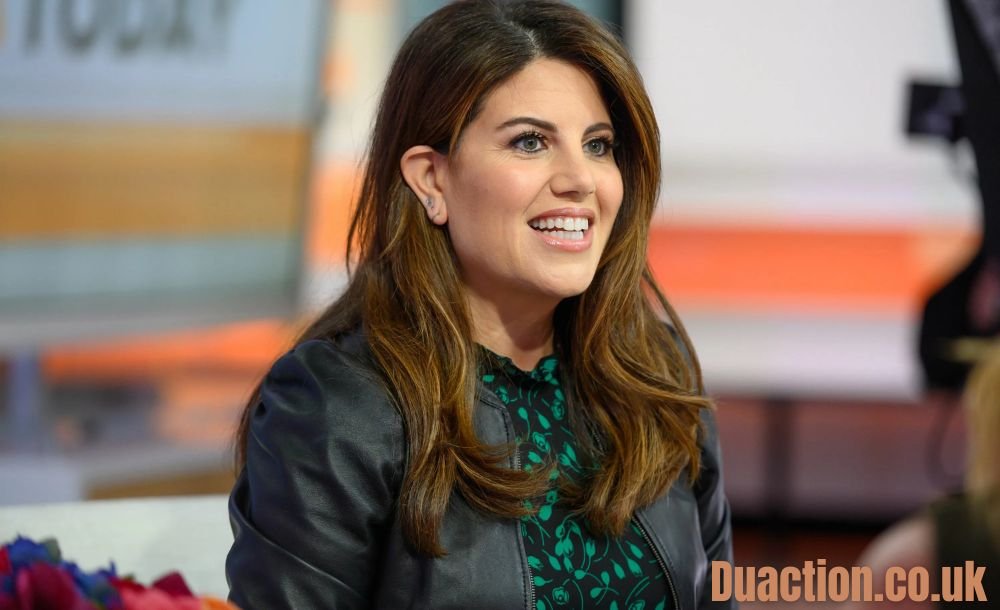
The phrase “Monika Leveski” often appears in online searches and discussions, leaving many people curious about its meaning and background. In most cases, this keyword is a spelling variation related to Monica Lewinsky, a figure connected to one of the most widely discussed political controversies in modern history. The story gained global attention in the late 1990s and became a major topic across media, politics, and public debate. Over time, the narrative surrounding the event has evolved, leading to deeper conversations about media influence, public perception, and the lasting impact of high-profile scandals
Why the Name Appears Frequently Online
Many people searching the internet may come across the phrase “Monika Leveski.” At first glance, it might appear to be the name of a public figure, but it is often just a spelling variation linked to a well-known historical personality. Search engines treat frequently typed variations as separate keywords, which is why this phrase appears in many online articles and discussions. Over time, even a small spelling difference can grow into a widely searched term on the internet.
The Link Between Monika Leveski and Monica Lewinsky
To understand the keyword “Monika Leveski,” it helps to look at the story most people actually mean. The name is commonly linked to Monica Lewinsky, a former White House intern involved in a widely discussed political scandal with U.S. President Bill Clinton in the late 1990s. The controversy dominated global news and eventually led to impeachment proceedings against Clinton. Because the story remained famous for decades, people still search for it today, sometimes using alternate spellings like Monika Leveski.
Historical Context of the Name
The historical context of the name “Monika Leveski” is closely connected to the well-known story of Monica Lewinsky from the late 1990s. During that time, her involvement in a political scandal with U.S. President Bill Clinton became one of the most widely discussed events in global media. The situation sparked intense political debates and eventually led to impeachment proceedings against the president. Because the story had such a huge cultural impact, variations of the name like “Monika Leveski” continue to appear in online searches and discussions today.
The Political Scandal That Shaped Global Media
The late 1990s were a defining moment for modern media culture. News channels operated around the clock, and the internet was just beginning to influence how people consumed information. When the Clinton–Lewinsky scandal broke, it quickly became one of the most widely discussed stories in the world.
Media Coverage and Public Reaction
Media coverage during the scandal was relentless. Newspapers published front-page stories daily, television programs hosted special panels, and late-night comedians built entire monologues around the controversy. In many ways, the story became more than just political news, it became a cultural phenomenon.
The Evolution of the Narrative
Over the years, the story connected to this topic has changed in how people understand and discuss it. What was once mainly viewed as a political scandal has gradually become a broader conversation about media influence, public judgment, and personal accountability. Modern discussions often focus on lessons about power dynamics, privacy, and the effects of intense media attention. This shift shows how society’s perspective can evolve as cultural values and awareness grow over time.
From Public Scandal to Social Reflection
Over time, the way people discuss the story has changed significantly. In the late 1990s, conversations often focused on political consequences. Today, discussions are more likely to examine the broader social themes involved.For example, many modern commentators analyze the scandal through the lens of power imbalance. They question how a young intern became the primary target of public ridicule while other aspects of the situation received less scrutiny. This shift in perspective reflects a growing awareness of gender dynamics and workplace ethics.
The Role of the Internet in Reviving Old Stories
The internet has a remarkable ability to keep historical stories alive. Unlike newspapers or television broadcasts that fade into archives, digital content remains accessible indefinitely. Articles, interviews, and discussions can resurface years later with a single search.This is one reason why keywords like Monika Leveski continue to trend periodically. When a documentary, podcast, or interview revisits the topic, search interest increases again.
Monica Lewinsky’s Modern Identity
Over the years, Monica Lewinsky has reshaped her public image and built a new identity beyond the events of the 1990s. She is now widely known as a social activist and public speaker, focusing on issues like cyberbullying and online harassment. By sharing her personal experiences, she encourages people to show empathy and responsibility in digital spaces. Her work has helped start meaningful conversations about mental health, public shaming, and kindness on the internet.
Activism Against Cyberbullying
In the years following the scandal, Monica Lewinsky gradually transformed her public image. Instead of remaining defined by past events, she began using her experience to advocate for important social issues.One of her primary areas of focus has been cyberbullying and online shaming. As social media platforms grew, Lewinsky recognized that millions of people, especially teenagers, were facing the same kind of public humiliation she once endured, but on an even larger scale.
Advocacy for Mental Health and Digital Responsibility
Another significant aspect of Lewinsky’s work involves raising awareness about mental health. Public humiliation can have serious psychological effects, and her experience highlighted how quickly online criticism can spiral out of control.Through essays, interviews, and public speaking engagements, she encourages society to reconsider how it responds to controversy. Instead of reacting with cruelty or ridicule, she suggests that communities should focus on understanding and compassion.
Why “Monika Leveski” Trends in Search Engines
Monika Leveski” trends in search engines mainly because it is a common misspelling of Monica Lewinsky’s name. When many users search using the same variation, search engines start recognizing it as a separate keyword. This often happens with famous names, where small spelling differences still lead people to the same topic. As a result, the phrase continues to appear in online searches, articles, and discussions across the internet.
The Power of Misspellings in SEO
Search engine algorithms are designed to capture patterns in human behavior. When thousands of people type a particular phrase even if it contains a spelling error the algorithm treats it as a legitimate search term.This is why variations like Monika Leveski appear in online articles and SEO strategies. Content creators often address these alternate spellings to ensure that readers can find accurate information regardless of how they type the name.From a technical perspective, this phenomenon highlights the fascinating relationship between language and technology
Viral Conversations and Cultural Memory
Another reason the phrase continues to appear online is cultural memory. Certain historical events become embedded in public consciousness, and people revisit them repeatedly through documentaries, articles, and social discussions.Every time a new interview or analysis emerges, curiosity grows again. Readers search for background information, timelines, and perspectives on how the story shaped media culture.In this way, the keyword Monika Leveski reflects more than just a spelling variation.
Cultural Impact of the Story
The story had a significant cultural impact, shaping how society discusses politics, media, and public figures. It sparked global conversations about power dynamics, gender roles, and personal accountability in positions of authority. The intense media coverage also highlighted how quickly individuals can become subjects of public judgment. Over time, the story has encouraged deeper discussions about media ethics, privacy, and empathy in the digital age.
Lessons About Power and Gender Dynamics
One of the most significant lessons from the scandal involves the dynamics of power and gender. Modern conversations often focus on how young women in professional environments can face disproportionate scrutiny compared to powerful figures.This perspective has influenced discussions about workplace ethics, leadership responsibility, and gender equality. Many scholars view the situation as an early example of how power imbalances can shape public narratives.
Media Ethics and Public Shaming
The story also changed how people think about media responsibility. In the late 1990s, sensational headlines dominated coverage. Today, journalists are more aware of the ethical implications of public shaming.Many media organizations now emphasize balanced reporting and sensitivity toward individuals caught in controversies. While sensational stories still exist, the conversation around media ethics has become far more nuanced.
The Internet Age and Reputation
The internet age has dramatically changed how reputation is built and judged. With social media and search engines, information about a person can spread across the world within minutes. A single story, rumor, or mistake can quickly shape public perception and remain online for years. Because of this, people today are more aware of how digital platforms can influence personal image and long-term reputation.
Cancel Culture and Online Judgment
The rise of social media has created a culture where reputations can change overnight. A single viral post can generate massive attention, sometimes leading to widespread criticism or support.The lessons from the Monika Leveski search trend highlight how quickly public perception can shift. It reminds us that digital platforms amplify voices but also amplify consequences.In many ways, the story serves as a cautionary tale about empathy, responsibility, and the long-term effects of online judgment.
Final Thoughts
The keyword Monika Leveski represents much more than a simple spelling variation. It reflects how the internet preserves cultural memories, reshapes language, and sparks new discussions about historical events.Behind the keyword lies a story that changed politics, media, and public conversation. Over time, the narrative evolved from scandal to reflection, encouraging society to examine issues such as power dynamics, media ethics, and online shaming.
FAQs About monika leveski
1. Who is Monika Leveski?
The phrase Monika Leveski is commonly a misspelling or alternate search variation of Monica Lewinsky, a public figure connected to a major political scandal in the 1990s.
2. Why is the name Monika Leveski trending online?
It trends mainly due to search variations, renewed media discussions, documentaries, and online conversations about the historical scandal and its social implications.
3. What is Monica Lewinsky known for today?
Today she is known as a social activist and public speaker who focuses on cyberbullying awareness and the effects of online shaming.
4. Why do misspellings become popular keywords?
Search engines record user behavior. When many people type a misspelled phrase, it can become its own searchable keyword.
5. What lessons can society learn from this story?
The story highlights the importance of media responsibility, empathy in public discourse, and awareness of power dynamics in professional environments.