
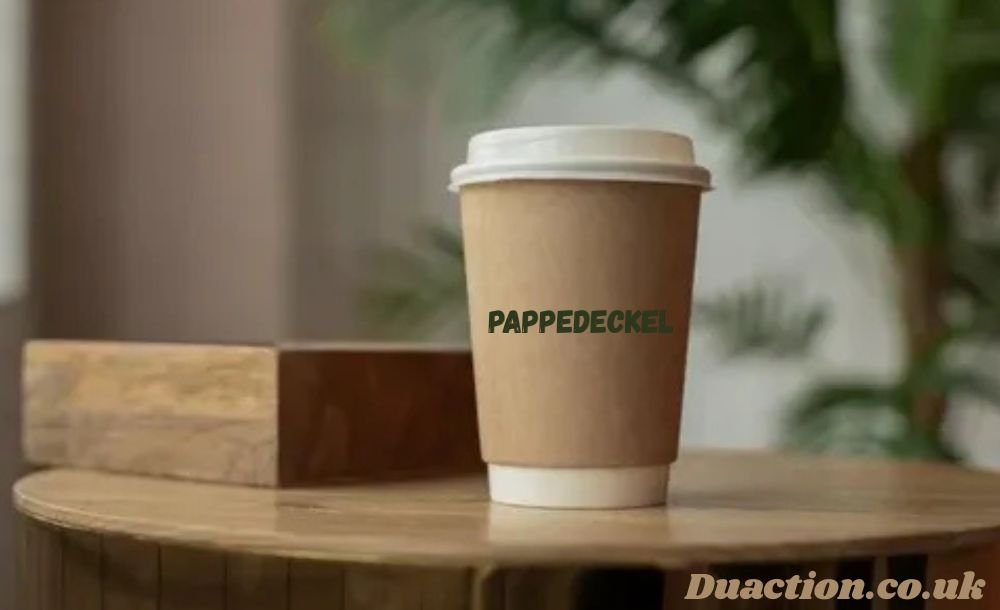
Pappedeckel is a simple yet incredibly versatile material that quietly supports many aspects of modern life. Essentially a type of cardboard or thick paperboard, it is widely used in packaging, crafts, and industrial applications due to its strength, affordability, and eco-friendly properties. Despite its unassuming appearance, pappedeckel plays a crucial role in protecting goods, promoting sustainability, and even inspiring creativity. From shipping boxes to art projects, this material demonstrates how something so basic can have a big impact on everyday life.
What Is Pappedeckel?
Pappedeckel is a German term that simply refers to cardboard or thick paperboard material commonly used in packaging and everyday products. It is made by compressing paper fibers to create a sturdy yet lightweight surface. You’ll often find pappedeckel in boxes, packaging inserts, and even craft projects. Its versatility and eco-friendly nature make it widely used across different industries.
Origin and Meaning of the Term
The word pappedeckel might sound unfamiliar at first, but it carries a simple and practical meaning. Derived from German, it essentially refers to cardboard or thick paperboard material that is widely used in everyday life. If you think about the boxes you receive online orders in or the sturdy backing of notebooks, you are already interacting with pappedeckel without even realizing it. It’s one of those humble materials that quietly supports modern living.
Basic Composition of Pappedeckel
At its core, pappedeckel is made from compressed paper fibers, usually derived from wood pulp or recycled paper. These fibers are pressed together under high pressure to create a strong, durable sheet that can withstand various levels of stress. The thickness and strength of pappedeckel can vary depending on its intended use, ranging from thin sheets for packaging inserts to thick boards used in construction or furniture.
Types of Pappedeckel Materials
Types of Pappedeckel Materials Pappedeckel comes in various forms, each designed to meet specific needs in packaging, crafts, and industrial use.
- Standard Cardboard Sheets Flat, versatile, and widely used for general packaging and storage.
- Recycled Pappedeckel Made from reused paper, eco-friendly and sustainable.
- Corrugated Board Features a fluted inner layer for extra strength and cushioning.
- Solid Board Dense and smooth, ideal for premium packaging and artistic projects.
- Laminated Pappedeckel Coated or treated for added durability, moisture resistance, or decorative purposes.
Standard Cardboard Sheets
Standard cardboard is perhaps the most recognizable form of pappedeckel. It is widely used in packaging, storage, and even DIY projects. These sheets are typically flat, smooth, and easy to cut or shape, making them highly practical for everyday use. You’ve probably used them when moving houses or organizing your belongings.One of the key advantages of standard cardboard is its flexibility. It can be folded, layered, and customized to fit various needs. Businesses rely heavily on this type for packaging because it offers a good balance between strength and cost. Even though it might seem basic, standard cardboard plays a vital role in global logistics and transportation systems.
Recycled Pappedeckel
Recycled pappedeckel is gaining popularity as environmental awareness continues to grow. Made from previously used paper products, this type helps reduce waste and conserve natural resources. It’s an excellent example of how simple materials can contribute to a circular economy.Using recycled cardboard doesn’t mean compromising on quality. In many cases, it performs just as well as new material while significantly reducing environmental impact. For businesses aiming to adopt sustainable practices, switching to recycled pappedeckel is often one of the easiest and most effective steps they can take.
Corrugated vs Solid Board
When it comes to structure, pappedeckel can be divided into two main categories: corrugated and solid board. Corrugated cardboard features a fluted inner layer sandwiched between two flat layers, providing extra strength and cushioning. This makes it ideal for shipping fragile items.On the other hand, solid board is denser and smoother, often used for packaging products that require a more refined appearance, such as cosmetics or electronics. Both types have their unique advantages, and choosing between them depends largely on the intended application.
How Pappedeckel Is Manufactured
Pappedeckel is manufactured by combining wood pulp or recycled paper with water to form a thick slurry, which is then spread into sheets. These sheets are pressed to remove excess moisture and increase strength, followed by a drying process to solidify the material. Finally, the dried sheets are cut and shaped into the required sizes and thicknesses for different uses.
Raw Materials Used
The production of pappedeckel begins with raw materials like wood pulp, recycled paper, and water. These materials are combined to form a slurry, which is then processed into sheets. The quality of the final product depends heavily on the quality of these raw materials.Interestingly, the use of recycled fibers has become increasingly common in recent years. This shift not only reduces the demand for virgin wood but also helps minimize waste. It’s a win-win situation for both manufacturers and the environment.
Production Process Explained
The manufacturing process involves several steps, including pulping, pressing, drying, and cutting. The pulp is first spread into thin layers, which are then pressed to remove excess water. After that, the sheets are dried and cut into the desired thickness.This process may sound simple, but it requires precision and advanced machinery to ensure consistency and quality. Modern production techniques have made it possible to create pappedeckel that is stronger, lighter, and more environmentally friendly than ever before.
Common Uses of Pappedeckel
Pappedeckel is widely used in everyday life, especially in packaging where it helps protect products during storage and shipping. It is also popular in arts and crafts due to its flexibility and ease of use. In addition, industries use it for insulation, display boards, and lightweight construction purposes. Its versatility makes it a practical material across both commercial and creative fields.
Packaging Industry
One of the most significant uses of pappedeckel is in the packaging industry. From shipping boxes to protective inserts, it plays a crucial role in ensuring that products reach their destination safely. Its lightweight nature makes it cost-effective for transportation, while its strength provides reliable protection.E-commerce businesses, in particular, rely heavily on this material. With the rise of online shopping, the demand for durable and sustainable packaging solutions has skyrocketed, making pappedeckel more relevant than ever.
Arts and Crafts
Beyond industrial uses, pappedeckel is also a favorite among artists and hobbyists. Its ease of use and affordability make it an ideal medium for creative projects. Whether it’s building models, creating decorations, or experimenting with new designs, the possibilities are endless.Many educational institutions also use it as a teaching tool. It helps students explore creativity while learning about sustainability and resource management.
Industrial Applications
In industrial settings, pappedeckel is used for insulation, construction, and even furniture manufacturing. Its versatility allows it to be adapted for various purposes, making it a valuable resource across multiple sectors.
Benefits of Using Pappedeckel
Benefits of using Pappedeckel, a versatile and eco-friendly material, pappedeckel offers practical advantages for packaging, creativity, and sustainable living.
- It is environmentally friendly and easily recyclable, reducing waste.
- It is cost-effective, making it suitable for both small and large-scale use.
- It is lightweight yet strong, ensuring easy handling and reliable protection.
- It is versatile and can be used in packaging, crafts, and industrial applications.
- It supports sustainable practices by minimizing the use of non-biodegradable materials.
Pappedeckel in Sustainable Living
Pappedeckel in Sustainable Living is becoming increasingly important as people look for eco-friendly alternatives in everyday life. Made from recyclable and biodegradable materials, it helps reduce waste and supports a circular economy. By choosing pappedeckel for packaging and daily use, individuals and businesses can lower their environmental impact. It’s a simple yet effective way to promote sustainability while maintaining practicality.
Role in Recycling
Recycling plays a crucial role in the lifecycle of pappedeckel. Used cardboard can be collected, processed, and transformed into new products, reducing the need for raw materials. This helps conserve resources and minimize waste.
Reducing Environmental Impact
By choosing pappedeckel over less sustainable materials, individuals and businesses can significantly reduce their environmental impact. It’s a small change that can make a big difference over time.
Challenges and Limitations of Pappedeckel
Pappedeckel comes with certain challenges, especially when it comes to durability and resistance to external conditions. It can weaken easily when exposed to moisture or heavy weight, making it less reliable for long-term or outdoor use. Additionally, compared to materials like plastic or metal, it may not provide the same level of strength and protection. Despite these limitations, improvements in coatings and design continue to enhance its performance.
Future Trends in Pappedeckel Usage
The future of pappedeckel usage looks increasingly promising as industries shift toward sustainable and eco-friendly materials. Innovations in packaging design are making it stronger, lighter, and more versatile for modern needs. With growing environmental awareness, more businesses are adopting recyclable and biodegradable solutions like pappedeckel. This trend is expected to expand further as technology continues to improve its durability and performance.
Innovations in Packaging
Innovations in packaging are transforming how pappedeckel is used, making it stronger, lighter, and more adaptable to modern needs. New technologies like water-resistant coatings and smart packaging features are improving durability while maintaining eco-friendliness. Businesses are also experimenting with creative designs that reduce material waste without compromising protection. As a result, pappedeckel continues to evolve as a sustainable and efficient solution in the packaging industry.
Sustainable Material Development
As sustainability becomes a global priority, the development of eco-friendly materials like pappedeckel is expected to accelerate. Researchers are constantly exploring new ways to improve its performance and reduce its environmental impact.
Final Thoughts
Pappedeckel may seem like a simple material, but its impact on our daily lives is profound. From packaging and construction to art and sustainability, it plays a vital role in modern society. Its affordability, versatility, and eco-friendly nature make it a valuable resource for individuals and businesses alike. As technology advances and environmental awareness grows, the importance of pappedeckel is only set to increase, proving that even the simplest materials can make a big difference.
FAQs About pappedeckel
1. What does pappedeckel mean in English?
Pappedeckel generally refers to cardboard or thick paperboard used in packaging and other applications.
2. Is pappedeckel environmentally friendly?
Yes, it is biodegradable and recyclable, making it an eco-friendly material.
3. What are the main uses of pappedeckel?
It is widely used in packaging, crafts, and industrial applications.
4. Can pappedeckel be recycled?
Absolutely, it is one of the most commonly recycled materials worldwide.
5. What are the disadvantages of pappedeckel?
Its main drawbacks include limited durability and sensitivity to moisture.