
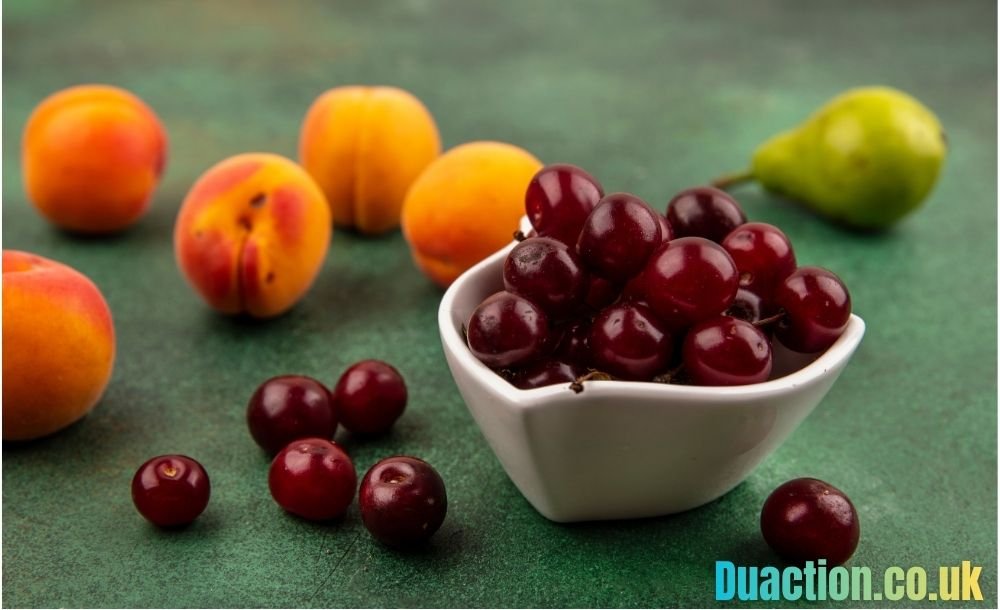
Fresh žižole (jujube fruit) are small, sweet fruits valued not only for their pleasant taste but also for their impressive nutritional profile. Per 100 grams, they provide a rich combination of essential vitamins, minerals, fiber, and natural antioxidants that support overall health and well-being. From boosting immunity to promoting healthy digestion and providing natural energy, žižole offers a range of health-enhancing benefits. Below is a quick overview of the nutrient content of fresh žižole per 100 grams, highlighting their health-boosting properties.
What Are Žižole?
Žižole is a unique fruit often recognized as a natural superfood, commonly known as the jujube fruit and scientifically called Ziziphus jujuba. It has been grown for centuries across Asia, the Middle East, and parts of Europe. When fresh, žižole tastes crisp and slightly sweet like an apple, while dried fruit becomes chewy and date-like, which is why it’s often called the “Chinese date.” This versatile fruit can be eaten fresh, dried, or used in teas and dishes, and in many cultures it symbolizes vitality, longevity, and natural wellness.
Origin and Botanical Background
The history of žižole dates back thousands of years, with its origins in China where it has been cultivated for more than 4,000 years. Over time, the fruit spread to regions such as India, the Middle East, North Africa, and Southern Europe. The tree is known for its strength, growing about 5–10 meters tall and surviving drought and tough climates. Its fruit changes color as it ripens from green to yellow and then reddish-brown—becoming sweeter and chewy like dates, which makes it both unique and widely loved in many traditional cuisines.
How Žižole Got Their Unique Name
The name žižole is commonly used in Balkan countries like Croatia and Slovenia, while in English-speaking regions the fruit is called jujube, and in South Asia it is known as ber. Despite these different names, they all refer to the same unique fruit that has traveled across many cultures and regions. Over time, different communities adopted the fruit and included it in their traditions, recipes, and everyday diets. In Mediterranean areas, žižole trees were also seen as symbols of good fortune and long life, which is why many families planted them in their gardens.
The Growing Popularity of Žižole Worldwide
In recent years, žižole has started gaining attention far beyond the regions where it was traditionally grown. Nutritionists and food enthusiasts often highlight it as a nutrient-rich fruit that combines natural sweetness with impressive health benefits. The rising interest in natural and traditional foods has also helped boost its popularity, as many people now prefer healthier alternatives to processed snacks. Thanks to its versatility whether eaten fresh, dried, or used in teas and desserts žižole is gradually becoming a favorite fruit in global kitchens.
Cultivation in Different Regions
Žižole trees grow best in warm climates and adapt well to both subtropical and temperate regions, including countries like China, India, Pakistan, Iran, Italy, Spain, and parts of the United States. Farmers value the tree because it is highly durable and can survive drought conditions and poor soil better than many other fruit crops. Once the tree is established, it can produce fruit for decades with relatively little need for pesticides or intensive care. Because of its resilience and long-term productivity, many agricultural experts see žižole as a promising and sustainable fruit crop for the future.
Nutritional Profile of Žižole
Žižole are gaining attention because of their rich nutritional value and natural health benefits. Even though the fruit is small, it contains important vitamins, minerals, and antioxidants that help support overall well-being. Fresh žižole are low in calories but provide energy, dietary fiber for digestion, and essential micronutrients the body needs daily. They are especially rich in vitamin C, along with beneficial compounds like flavonoids and polyphenols that help strengthen immunity and reduce inflammation.
Key Vitamins and Minerals
Žižole are packed with essential vitamins and minerals that support overall health, making them a nutrient-rich superfruit.
Key Points:
- Vitamin C Boosts immunity and supports healthy skin.
- Potassium Helps regulate blood pressure and heart health.
- MagnesiumSupports strong bones and proper nerve function.
- Calcium Essential for bone strength and muscle function.
- Iron Aids in red blood cell production and prevents fatigue.
Nutritional Table of Fresh Žižole
Here’s a quick look at the nutrient content of fresh žižole per 100 grams, highlighting its health-boosting properties.
| Nutrient | Amount per 100g |
| Calories | 79 kcal |
| Carbohydrates | 20 g |
| Fiber | 2.5 g |
| Protein | 1.2 g |
| Fat | 0.2 g |
| Vitamin C | 69 mg |
| Potassium | 250 mg |
These values highlight how nutrient-dense the fruit is despite its relatively low calorie content.
Health Benefits of Žižole
Eating žižole regularly can support many aspects of health thanks to its rich combination of vitamins, minerals, and plant compounds. While research is still ongoing, both traditional medicine and modern studies suggest several potential benefits.
Strengthening the Immune System
One of the key benefits of žižole is its immune-boosting power. Rich in vitamin C, it helps the body fight off infections by supporting white blood cell production. This vitamin also acts as an antioxidant, protecting cells from harmful free radicals. Regularly eating žižole can help reduce the severity and duration of common illnesses like colds and flu.
Supporting Digestive Health
Another key benefit of žižole is its support for digestion. Rich in dietary fiber, it helps keep bowel movements regular and promotes a healthy gut. The fiber also nourishes beneficial gut bacteria and may help reduce intestinal inflammation. Including fiber-packed fruits like žižole is an easy way to naturally improve digestive health.
Improving Sleep and Reducing Stress
Traditional medicine has used žižole for centuries to help with sleep and stress. The fruit contains compounds called jujubosides, which may have calming effects on the nervous system. These compounds can promote relaxation and support better sleep, making žižole tea a popular bedtime drink. Many people find that consuming the fruit helps them feel calmer and more at ease.
Enhancing Skin and Hair Health
Healthy skin and hair often begin with proper nutrition, and žižole can help support both. Its high vitamin C and antioxidant content protect the skin from environmental stress and aging. Vitamin C also boosts collagen production, keeping skin firm and elastic for a youthful look. Meanwhile, antioxidants fight free radicals, promoting healthier skin and stronger hair naturally.
Žižole in Traditional Medicine
For centuries, žižole has been valued in traditional healing systems for its ability to support energy, digestion, and mental calmness. In Traditional Chinese Medicine, dried jujube is commonly used in soups, teas, and tonics to strengthen the body and promote restful sleep. In Mediterranean and Balkan cultures, it is often made into syrups or herbal infusions to soothe sore throats and aid digestion. These practices show how deeply the fruit is woven into cultural and medicinal traditions worldwide.
Culinary Uses of Žižole
Beyond its health benefits, žižole is a tasty addition to many dishes. Fresh, it’s crisp and refreshing, perfect as a snack or in fruit salads with yogurt and nuts. Dried žižole becomes sweeter and is great for baked goods, teas, or trail mixes. This versatile fruit adds natural sweetness and nutrition to both traditional and modern recipes.
How to Grow a Žižole Tree
Growing a žižole tree is relatively easy since it thrives in sunny spots and adapts to various soil types. Its drought-tolerant nature allows it to survive conditions that challenge other fruit trees. Once established, it requires minimal maintenance and can start producing fruit within a few years. With proper care, a single tree can provide a steady harvest for decades, making it ideal for home gardens.
Final Thoughts
Žižole may be small, but its benefits are impressive and far-reaching. Valued for its nutrition, natural sweetness, and versatility, it enriches any diet. Whether eaten fresh, dried, or brewed as tea, it combines flavor with wellness. As interest in natural, healthy foods grows, žižole is steadily making a comeback in kitchens worldwide.
FAQs About žižole
1. What does žižole taste like?
Žižole taste like a blend of apple and date flavors. When fresh, they are crisp and mildly sweet, while dried ones become chewy and richer in taste.
2. Are žižole the same as jujube?
Yes, žižole is simply another name for the jujube fruit, scientifically known as Ziziphus jujuba.
3. Can you eat žižole raw?
Absolutely. Fresh žižole can be eaten raw just like apples, and they are often enjoyed as a healthy snack.
4. Are žižole good for sleep?
Some compounds in the fruit may promote relaxation and improve sleep quality, which is why it is often used in herbal teas.
5. Where can you buy žižole?
Žižole are available in some fruit markets, health food stores, and Asian grocery stores. They are commonly sold both fresh and dried.