
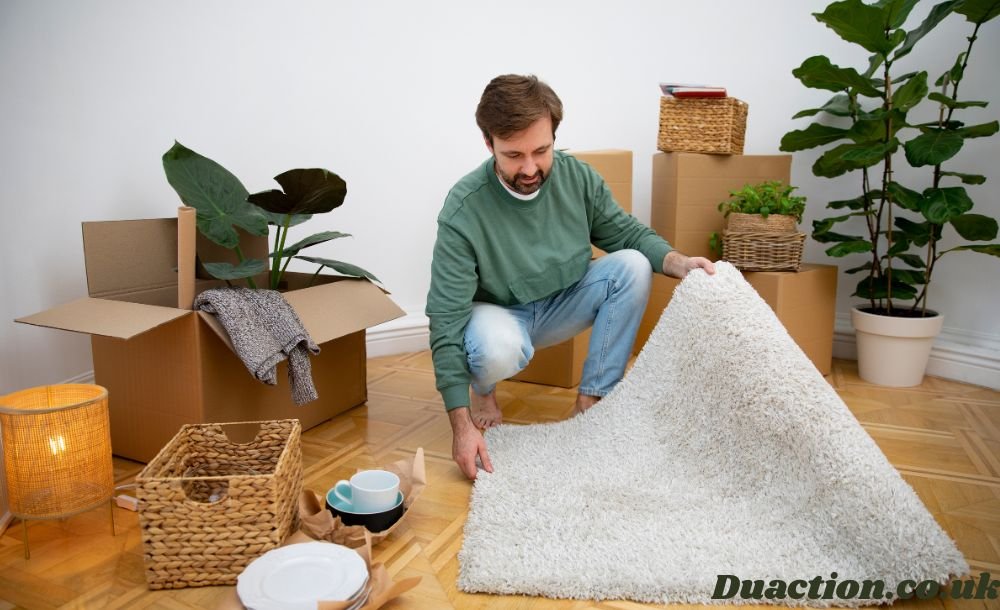
Wollmatten are natural wool-based mats that are valued for their strength, insulation properties, and environmentally friendly nature. They are commonly used in both residential and commercial spaces due to their ability to improve comfort and energy efficiency. Made from sustainable materials, Wollmatten offer a practical solution for insulation, soundproofing, and protective applications. Their versatility and eco-conscious benefits make them an increasingly popular choice in modern construction and design.
What Are Wollmatten?
Wollmatten are natural mats made from sheep’s wool fibers, known for their softness, durability, and eco-friendly nature. They are widely used in homes, construction, and gardening because of their excellent insulation and moisture-regulating properties. These mats help maintain comfortable indoor temperatures while also improving air quality. Thanks to their sustainable and biodegradable material, wollmatten are becoming a popular choice for modern, environmentally conscious living.
Definition and Meaning of Wollmatten
If you’ve ever heard the term wollmatten and wondered what it really means, you’re not alone. The word comes from German, where “woll” means wool and “matten” means mats. Simply put, wollmatten are mats made primarily from natural sheep’s wool fibers.But here’s the interesting partthese aren’t just ordinary mats. Think of them as a blend of comfort, science, and sustainability all rolled into one. Whether used as cozy rugs, insulation panels, or even garden covers, wollmatten are far more versatile than they appear at first glance. Their natural composition gives them a unique edge over synthetic materials, offering benefits that go beyond aesthetics.
Origin and Historical Background
Wollmatten are not a modern inventionthey have deep historical roots. For centuries, people across Europe and Asia have used wool for warmth and protection. Early communities crafted felted wool mats to insulate homes, line tents, and create comfortable living spaces.Imagine living in a cold, stone-floored house without heating. Wool mats were not just a luxurythey were essential. Over time, these practical items evolved into decorative pieces, often featuring intricate designs and patterns. Today, wollmatten still carry that blend of tradition and functionality.
How Wollmatten Are Made
Wollmatten are made using natural sheep’s wool that is first cleaned to remove dirt and impurities, ensuring a pure and high-quality fiber. The wool is then layered and processed through techniques like needle punching or felting, where heat, moisture, and pressure bind the fibers together. This process creates a dense, durable mat while maintaining the softness and flexibility of wool. Finally, the mats are cut and shaped according to their intended use, whether for insulation, decoration, or gardening purposes.
Raw Materials Used in Wollmatten
At the heart of every wollmatte lies one key ingredient: sheep’s wool. This natural fiber is rich in keratin, the same protein found in human hair. What makes wool special is its structureit’s crimped, elastic, and capable of trapping air, which contributes to its insulating properties.Manufacturers may use pure wool or blend it with other natural or synthetic fibers to enhance durability. However, high-quality wollmatten typically prioritises natural wool to maintain eco-friendliness and performance.
Manufacturing Process Explained
The process of creating wollmatten is both simple and fascinating. It begins with cleaning raw wool to remove impurities. The fibers are then layered and processed using techniques such as needle punching, felting, or thermal bonding.In needle punching, tiny needles interlock the fibers, creating a dense and durable mat. Felting, on the other hand, uses heat, moisture, and pressure to compress the fibers together. Each method produces a slightly different texture and strength.
Unique Properties of Wollmatten
Wollmatten are known for their unique natural composition, offering excellent insulation, durability, and eco-friendly performance. One of their standout properties is their ability to regulate temperature, keeping spaces warm in winter and cool in summer. They are also highly breathable and moisture-resistant, which helps prevent dampness and improves indoor comfort. In addition, Wollmatten are sustainable and long-lasting, making them a popular choice for environmentally conscious applications.
Thermal Insulation Capabilities
One of the standout features of wollmatten is their exceptional insulation ability. Wool fibers trap tiny pockets of air, creating a natural barrier against heat loss. This means your space stays warm in winter and cool in summer.In fact, wollmatten have a thermal conductivity of around 0.033 — 0.04 W/mK, which is comparableor even superiorto many synthetic insulation materials.
Moisture Regulation and Breathability
Have you ever noticed how wool doesn’t feel wet even when it absorbs moisture? That’s because it’s hygroscopic, meaning it can absorb and release moisture without feeling damp.Wollmatten can absorb up to 30–33% of their weight in moisture without losing their insulating properties. This helps maintain balanced indoor humidity levels, reducing the risk of mold and condensation.This natural breathability makes wollmatten perfect for homes in humid climates. They quietly work in the background, improving comfort without any effort on your part.
Fire Resistance and Safety
Safety is another area where wollmatten shine. Unlike synthetic materials that melt and release toxic fumes, wool is naturally flame-resistant. It ignites only at temperatures above 560°C and tends to char rather than burn.This makes wollmatten a safer choice for homes, offices, and public spaces. It’s like having a built-in safety feature that you don’t even have to think about.
Benefits of Using Wollmatten
Wollmatten offer a range of practical and eco-friendly advantages that make them a smart choice for insulation and comfort in various spaces.
- Excellent thermal insulation that helps maintain comfortable indoor temperatures
- Natural moisture regulation, reducing the risk of dampness and mold
- Eco-friendly and sustainable material, safe for the environment
- High durability and long-lasting performance over time
- Improved indoor air quality by supporting a healthier living environment
Eco-Friendly and Sustainable Nature
In a world increasingly focused on sustainability, wollmatten are a breath of fresh air. They are made from renewable resources, biodegradable, and environmentally friendly.Unlike synthetic mats, which can take centuries to decompose, wool mats break down naturally and even enrich the soil. Choosing wollmatten is like choosing a product that gives back to the planet.
Durability and Longevity
Wool is incredibly resilient. Its fibers can bend thousands of times without breaking, which means wollmatten can last for decades with proper care.This durability makes them a smart investment. Instead of replacing cheap mats every few years, you get a long-lasting solution that maintains its quality over time.
Health and Indoor Air Quality Benefits
Wollmatten also contributes to a healthier living environment. They are naturally hypoallergenic, resistant to dust mites, and free from harmful chemicals.They can even improve air quality by absorbing pollutants and regulating humidity. It’s like having a silent air purifier built into your flooring.
Common Uses of Wollmatten
Wollmatten are widely used in various industries for their natural insulation, durability, and eco-friendly qualities.
Common Uses of Wollmatten:
- Used as natural insulation material in homes and buildings
- Applied in soundproofing and acoustic panels
- Used in flooring underlays for added comfort and warmth
- Utilized in packaging to protect fragile items
- Used in eco-friendly textile and craft projects
Home and Interior Design Applications
In homes, wollmatten are used as rugs, wall panels, and decorative elements. They add warmth, texture, and a natural aesthetic to any space.Interior designers love them because they combine beauty with functionality. Whether your style is modern or rustic, wollmatten fit right in.
Construction and Insulation Uses
In construction, wollmatten are used for thermal and acoustic insulation. They help reduce energy costs and create quieter indoor environments.Builders prefer them for eco-friendly projects, as they provide excellent performance without harmful chemicals.
Gardening and Agricultural Uses
Surprisingly, wollmatten are also used in gardening. They help retain soil moisture, prevent weed growth, and protect plants from extreme temperatures.As they decompose, they release nutrients into the soil, making them perfect for sustainable agriculture.
Industrial and Commercial Uses
In industrial settings, wollmatten are used for soundproofing, filtration, and protective padding. Their versatility makes them suitable for a wide range of applications.
Key Differences and Comparison Table
| Feature | Wollmatten | Synthetic Mats |
| Material | Natural wool | Plastic-based fibers |
| Insulation | उत्कृष्ट (high) | Moderate |
| Moisture Control | उत्कृष्ट | Poor |
| Fire Resistance | High | Low |
| Sustainability | Biodegradable | Non-biodegradable |
| Durability | Long-lasting | متوسط |
This comparison clearly shows why wollmatten are becoming a preferred choice for eco-conscious consumers.
How to Choose the Right Wollmatte
Choosing the right wollmatte depends on your needs. For insulation, go for thicker, denser mats. For decoration, lighter and softer options work best.Consider factors like size, density, and intended use. It’s also important to check for quality certifications and sourcing practices.
Maintenance and Care Tips for Wollmatten
Taking care of wollmatten is simple but important. Regular vacuuming helps remove dust, while spot cleaning keeps them looking fresh.Avoid excessive moisture and direct sunlight, as these can damage the fibers. With proper care, your wollmatte can last for years.
Cost and Value of Wollmatten
While wollmatten may have a higher upfront cost, their durability and performance make them cost-effective in the long run.Think of them as an investment rather than an expense. You’re paying for quality, sustainability, and long-term comfort.
Future of Wollmatten in Sustainable Living
As sustainability becomes more important, wollmatten are gaining attention worldwide. Their natural properties and eco-friendly nature make them a perfect fit for the future.From green buildings to modern homes, they are set to play a key role in sustainable living.
Conclusion
Wollmatten are more than just matsthey’re a smart, sustainable solution for modern living. They combine comfort, durability, and environmental responsibility in a way that few materials can match.Whether you’re looking to improve your home, reduce your carbon footprint, or simply enjoy a more comfortable space, wollmatten offer a practical and stylish choice.
FAQs About wollmatten
1. What are wollmatten made of?
Wollmatten are made primarily from natural sheep’s wool fibers, sometimes blended with other materials for added durability.
2. Are wollmatten eco-friendly?
Yes, they are renewable, biodegradable, and environmentally friendly.
3. Can wollmatten be used outdoors?
Yes, especially in gardening and landscaping, where they help retain moisture and protect soil.
4. How long do wollmatten last?
With proper care, they can last for decades due to the durability of wool fibers.
5. Are wollmatten better than synthetic mats?
In many ways, yes. They offer better insulation, moisture control, and sustainability compared to synthetic alternatives.